


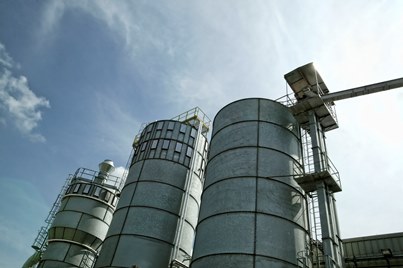
Then-energy minister Charles Hendry first granted consent for the plant, to be located on a site of the former RAF airfield at Pollington near Leeds, in December 2011 (see letsrecycle.com story), but construction work has yet to begin.
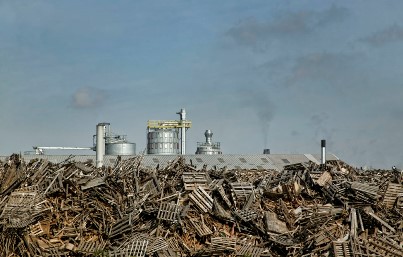
The plant would be located next door to the firm’s existing wood pellet mill, which first opened in 2010 and processes waste wood material into 50,000 tonnes per year of biomass pellet fuel. Feedstock is delivered to the mill via the Aire and Calder Navigation canal.
Plans for the biomass energy facility – which would burn 360,000 tonnes of waste wood each year and produce 53MW of electricity – were originally put in place by energy developer Dalkia before the company officially came under the Veolia brand following a transaction agreement in July 2014 (see letsrecycle.com story).
And, according to former Dalkia and now Veolia spokesman, Nick Burchett, the Pollington development is “still on hold because we have been focusing on other biomass plants and energy projects”.
Energy projects
[testimonial id = “106” align=”right”]
Veolia officially opened its 300,000 tonnes per year energy-from-waste (EfW) plant in Staffordshire earlier this year (see letsrecycle.com story), while its EfW facility in Shropshire is due to come online in 2015.
Furthermore, last month, Veolia’s plans for a 380,000 tonnes per year EfW in Hertfordshire were dealt a blow when Defra withdrew £115 million in PFI credits for the project (see letsrecycle.com story).
Mr Burchett also highlighted the firm’s 12MW biomass steam plant built for Dairy Crest’s creamery in Davidstow, Cornwall, which came into operation in 2011 to help supply steam for the cheese manufacturing process.
Mr Burchett told letsrecycle.com: “When the teams are less stretched on these other projects then we can move forward with the biomass facility at Pollington.”
He would not be drawn on a timeframe for when construction work on the facility might begin, but he said that the Pollington facility is still part of Veolia’s plans as the project plan and funding are in place.
Mr Burchett said: “Feedstock is still there as it has been and we haven’t seen any particular change in that. If you have the resources you can go ahead and build these things, you just need the teams to work with on it.”
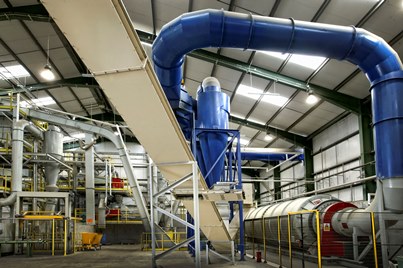
It was originally estimated that the Pollington biomass energy plant would create 200 jobs during construction and 135 operational jobs, powering around 55,000 homes per year.
Alongside a contract to provide electricity to a Swansea-based hospital, Dalkia – now Veolia – also currently operates a biomass plant in County Durham, which burns 120,000 tonnes of waste wood per year (see letsrecycle.com story).
The Biomass Energy Centre in Chilton was one of the first waste wood biomass facilities to be developed in the UK for the specific purpose of supplying electricity to the National Grid, rather than to an industrial site.
Related Links:
– Veolia

Subscribe for free