


Launched today (19 March 2026), the strategy outlines how ministers intend to stabilise the sector, attract investment and shift production towards cleaner technologies.
It aims to reverse the long-term decline in UK steelmaking, where domestic production has fallen to around 30% of demand in recent years. The government’s ambition is to increase this to 40–50% while transitioning to “green steel”.
Transition to Electric Arc Furnaces
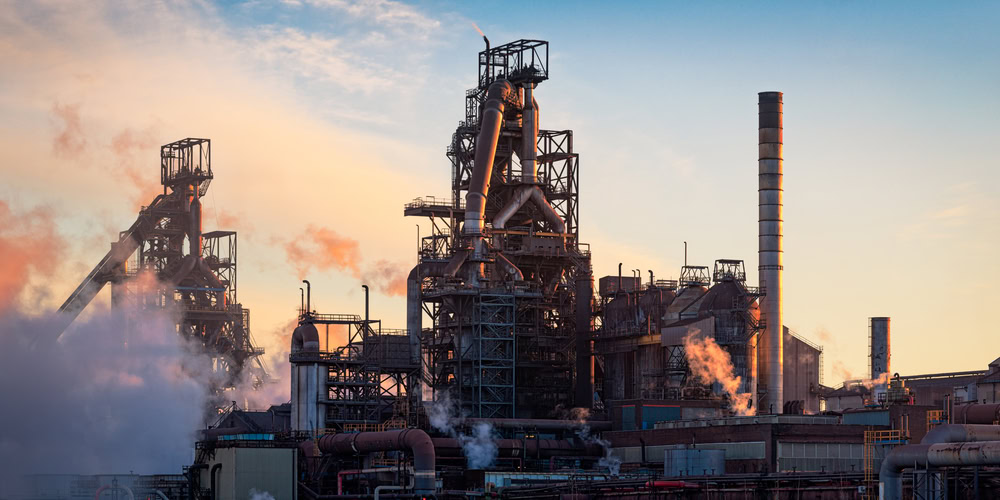
A key part of this transition is the move away from traditional blast furnaces towards Electric Arc Furnace (EAF)-based production.
These furnaces rely primarily on recycled steel scrap rather than virgin raw materials such as iron ore and coal, significantly reducing carbon emissions.
The strategy identifies the UK’s “abundant supply of scrap steel” as a competitive advantage and highlights the role of recycling in supporting both decarbonisation and resource security.
It also recognises that future steel demand will grow, particularly in sectors such as construction, infrastructure and clean energy.
The British Metals Recycling Association (BMRA) commented: “UK steel producers form a vital domestic customer base for metal recyclers, and the planned expansion of EAF capacity will significantly deepen this relationship.
“Growing domestic demand for high‑quality recycled feedstock will support a more circular, lower‑carbon steel industry.”
Alongside technological change, the plan includes up to £2.5 billion in support for the steel industry, measures to reduce electricity costs, new trade protections and reforms to encourage the use of UK-produced steel in public procurement.
Scrap Working Group
A notable element of the strategy is the commitment to establish a new cross-government Scrap Working Group by May 2026.
The group will focus on ensuring a “resilient, cost-effective and high-quality scrap supply” for domestic steelmaking. It will review industry recommendations on regulatory reform and consider how to support innovation across the scrap metal recycling supply chain.
The government has indicated that the group will examine how scrap can be better utilised within the UK, as well as addressing quality requirements and long-term availability as demand increases.
The BMRA welcomed the move: “BMRA welcomes the publication of the UK Steel Strategy, which rightly recognises the critical role of recycled metal ‘scrap’ in delivering a resilient and sustainable steel sector.
“We look forward to engaging constructively in the Government’s proposed Scrap Working Group.
“To ensure balanced and effective discussions, it will be essential that the Group includes a diverse representation of metal recyclers as well as metal manufacturers.”
Steel import controls
Ministers confirmed new trade measures will be introduced from July 2026, including tighter tariff rate quotas and potential tariffs of up to 50% on out-of-quota steel imports.
These are intended to protect UK producers from being undercut by cheaper overseas material and to support the long-term viability of domestic steelmaking.
As steelmakers expand EAF capacity, recycled material will likely play a key role in replacing imported primary steel and supporting supply chain resilience.
