




But, while the proposalsinclude increasesin the material-specific targets foraluminium, steel, plastics as well as a new split target for glass, they include no change in the targets for paper and wood.
The Department for Environment, Food and Rural Affairssaid the proposalswould stop 400,000 tonnes of packaging going to landfill by 2017, ease the demand on raw natural materials and improve resource efficiency by making more recyclable materials available for businesses.
At present, packaging recycling targets have only been set until 2012 and these have been broadly flat for the past two years (see letsrecycle.com story). The proposed targets are intended to run from January 1 2013 for five years in order to give greater certainty for planning and investment purposes.
Ms Spelman said: Christmas is a time when, more than ever, we all notice the amount of packaging that comes with the things we buy. An alarming amount of this is still going to landfill.
These new, more ambitious targets will deliver real environmental and economic benefits. They will give a new incentive to companies to cut down on excess packaging and increase efforts to have their materials recycled.
Targets
The proposed new targets, which cover the whole of the UK,include:
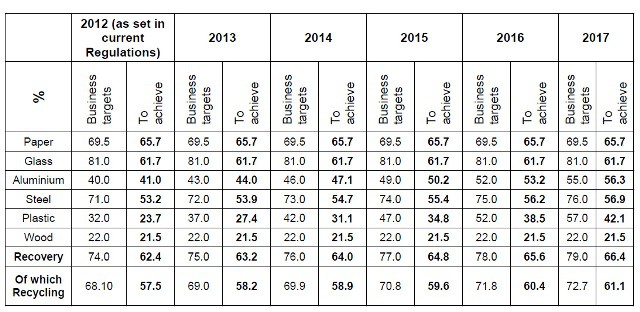
- Increase the steel recycling target by one percentagepointper year, from 71 per cent in 2012 to 76 per cent by 2017;
- Increase the aluminium recycling target by three percentage pointsper year, from 40 per cent in 2012 to 55 per cent in 2017;
- Increase the plastics recycling target by five percentage pointsper year, from 32 per cent to 57 per cent by 2017; and
- Increase the overall packaging recovery rate by one percentage pointeach year, from 74 per cent in 2012 to 79 per cent in 2017.
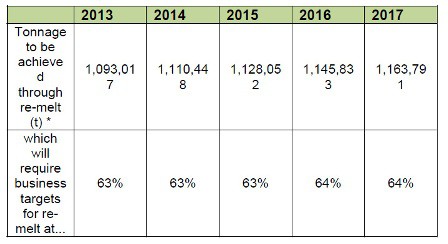
The proposed targets would also see glass recycling split into sub-categories to boost the amount of glass that is re-melted. Defra said this was more environmentally friendly than using it as an aggregate in such things as building materials.
Consultation
The targets have been drawn up following recommendations from the Advisory Committee on Packaging and fulfil a commitment in the Waste Review, published in the summer, to consult on increased recycling targets (see letsrecycle.com story). This balances the need for environmental ambition and affordability for businesses and government.
Theconsultation on the new packaging recycling targets proposes three options:
1) Keeping the targets the same.
2)Higher recycling targets foraluminium and plastics (raised by 1% and 2% a year respectively until 2017).
3) Higher recycling targtes for aluminium, plastic and steel with glass recycling split by end use (raised by 3%, 5% and 1% a year respectively). This is the government’s preferred option (see table below).
Proposed targets 2013-17
Aluminium
For aluminium, the consultationclaims theincreased targetswill be challenging, yet achievable.
So, in order to help businesses to meet them, it proposes that compositepackaging containing aluminium – such tetra-pak or tubes of toothpaste from which it is very hard to extract aluminium for recycling – is no longer counted in the overall waste arising figure for aluminium.This means that the percentage of aluminium packaging which is reycled will go up. The document says that 16-20,000 tonnes of aluminium currently used in composite packaging.
Plastics and steel
Defra says it is keen to increase recycling rates for aluminiumand plastics because recycling rates for these materials are the lowest of all packaging materials. It istargeting aluminium, plastics and steel and introducing divided targets for glass because this is where the greatest greenhouse gas savings can be made.
Glass
For glass, the consultation says the aggregates market provides a home for poor quality that would otherwise go to landfill. However, as it achieves no carbon savings, when recycling the material into bottles produces significant savings, the consultation proposes to encourage more glass to go to re-melt applications.
It therefore proposes to set sub-targets for glass by end-use, allowing a decreasing proportion of the overall glass target to be met through evidence derived from aggregates. To do this, it is proposed to freeze the amount that can be achieved through aggregates to its 2009 level – approximately 650,000 tonnes.
Proposed re-melt targets 2013-17
Concluding, the consultation says: “The option of higher targets for steel, aluminium, plastic and a split target for glass will also bring some momentum back into the market which is currently very flat, and will drive up not only recycling rates but also increase the amount and availability of recyclable material that is available for reprocessing.”
Related Links
Other materials
Forglass, paper and woodthe consultationproposes that the material-specific targets are not increased, to reduce the costs for businesses.Thisis likely tomean thatPRN prices for these materialswill remain low, although the increase in the overall recovery targetwill increase demand for paper and wood a little.
This goes against recommendations made by the ACP in its annual report published earlier this year (see letsrecycle.com story),in whichthe committeesuggested the target for paper be increased to 80.3% by 2017, the target for wood be increased to 63% and the target for glass be increased to 63.5%.
The consultationwill run for eight weeks, closing on Friday 10 February 2012 with a final decision on the new targets announced in the 2012 Budget.

Subscribe for free