


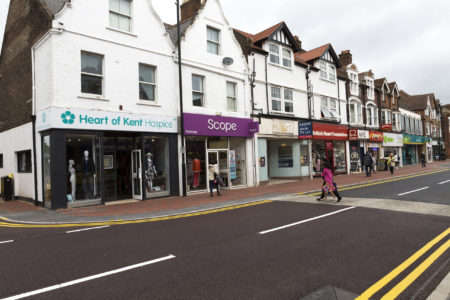

Both sides have said they are keen to resume collections of unsold stock, but some textile recyclers have said they are unable to pay at pre-pandemic levels, and charity shops want to maintain an important revenue stream.
Many charity shops, in particular larger stores which can introduce social distancing, are to begin reopening on 15 June in line with the government’s relaxation of lockdown measures.
Donations
Shops are anticipating “large amounts” of donations in the early days of reopening, according to the Charity Retail association, as households which have had a clear out look to donate their old textiles and other items.
However, some textile recyclers have warned that because export markets have “dried up”, with many countries still under some form of lockdown restrictions, the cost they are willing to pay will be greatly reduced
And, countries such as Kenya have implemented measures to prevent UK rags being imported over fears it could carry the virus. This has meant factories are “bursting” with unsold material which they can’t sell on.
Most textiles recyclers have furloughed factory staff and have said output will be slowed by introducing social distancing measures.
Meeting
A meeting took place earlier this week (26 May) between the Charity Retail Association and some of its recycling members, about the next steps for the sector.
“We are reasonably optimistic that given sufficient communication between charity shops and their recycling partners, the risks can be mitigated”
Recyclers and shops will now continue to discuss prices over the coming weeks to see how they can best co-operate to clear unsold stock but maintain an important revenue streams for shops.
Robin Osterley, chief executive of the Charity Retail Association, said: “The vast majority of our members will be reopening on 15th June.
“We’re anticipating a large amount of donations but there may well be less staff resources if volunteers are shielding or do not feel comfortable returning to work.
“We’re hearing there are significant issues in the recycling markets, we accept this and we have always been told by our recycling partners that the recycling sector needs clear communication, and we are reasonably optimistic that given sufficient communication between charity shops and their recycling partners, the risks can be mitigated in the relatively short term”.
Stock
Exact percentages of how much of donations end up being sold to recyclers is unknown, but it is important income for some shops as they could receive up to £400 a tonne for used clothing which recyclers may ship to markets in Eastern Europe, Africa and elsewhere.
However, even before the pandemic, recyclers were saying that problems with currency and regulations meant the price they could pay was reducing. Some have said they will pay a reduced fee and will adjust this if they are able to sell on the material, particularly for those with large contracts, but others have said they may not be able to pay anything.
Warehouse
Some charities have even begun discussions to open up warehouses to store stock in the hope that the markets will pick up again later in the year.

It is hoped that by keeping stock dry quality won’t be impacted and it wouldn’t be dissimilar to when seasonal items are stored for when they can command a better value.
However, this might not be an option for smaller shops, so the coming weeks will be vital in determining the future value of unsold stock, and ensuring charity shops are not full of unsold donations.
A campaign will also be run advising the public not to donate lower quality items, which will be particularly difficult to sell even if the market does show early signs of recovery.

Register for free to comment