


This came despite the Stobart Group recording an overall loss of £42 million for the year across its entire business, which includes aviation and engineering.
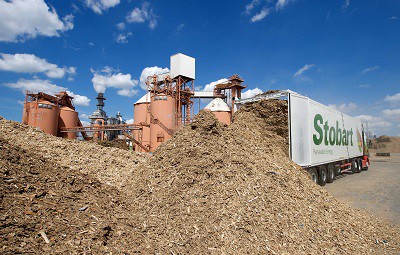
Stobart Energy supplies waste wood to six biomass plants in the UK, comprising around 1.3 million tonnes of material.
In today’s results the company states that 97% of the renewable energy plants that it supplies have now started commissioning and 90% have reached commercial operations.
“As a result of the improved and more consistent plant performance, Stobart Energy reached a year-end run rate of 1.7m tonnes per annum,” the company notes.
Of the facilities that are yet to reach full completion including the Mersey Bioenergy CHP plant at Widnes and the Margam green energy plant in south Wales, Stobart says these are expected to reach commercial operations “in the near term”.
Port Clarence
However, the Eco2 facility at Port Clarence, which was due to take around 250,000 tonnes of waste wood per year from Stobart “is yet to start commissioning” the company notes. The plant had been expected to reach full operations in 2018.
Warwick Brady, the group’s chief executive, said as part of the company’s full-year results that the company has entered the financial year with “increased confidence”, particularly for the company’s energy division.
“Stobart Energy is increasingly demonstrating the potential of the business model. More of the plants we supply to are now operating consistently, and this will relieve the cost pressures associated with maintaining the supply chain.
“Stobart Energy benefits from high-quality earnings given the long-term nature of its supply.”
On its future outlook the company says it is seeking to continue to develop infrastructure to deliver a total of 2 million tonnes per annum of biomass fuel.
“By undertaking this investment in our infrastructure assets, we can generate strong and sustainable operating cashflows and significant long-term value for shareholders,” the company said.

Register for free to comment