



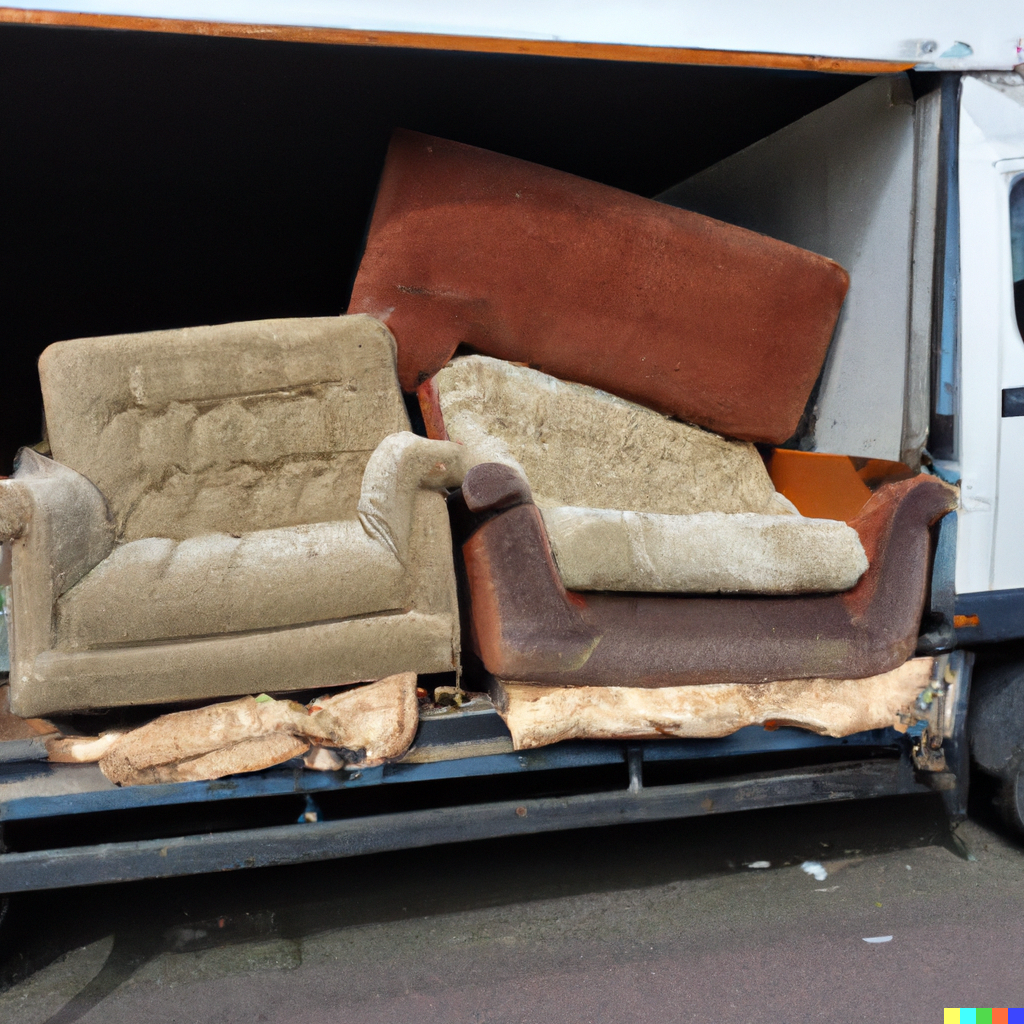
Highland council announced that some of its HWRCs will no longer collect soft furnishings such as sofas and beanbags if they do not have space to collect them separately (see letsrecycle.com story).
The move was announced ahead of anticipated guidance from SEPA later this month. The body has previously hinted to councils that once introduced, the guidance will immediately ban any upholstered furniture or waste being sent to landfill, as well as waste that has been mixed with upholstered furniture.
This means any councils who send soft furnishings to landfill will have to find alternative arrangements, or stop collecting them altogether.
At the time, Cllr Graham MacKenzie, chair of the communities and place committee at the council, said the rules have been rolled out to “mitigate the impact of the guidance”.
SEPA are reacting to Defra commissioned research
- SEPA
‘Welcomed’
A SEPA spokesperson told letsrecycle.com that it “welcomes” the preparations being made by The Highland Council and the comments from Cllr MacKenzie “which highlight the seriousness of the issue of POPs.
The spokesperson added: “SEPA are reacting to DEFRA commissioned research which has highlighted for the first time that some WUDs fall within the scope of the statutory requirements of the Stockholm Convention and associated UK regulations.
“This requires a major shift in the collection handling and disposal of WUDs. POPs cannot be landfilled: they can only be incinerated to destroy or irreversibly transform the POPs.
“SEPA has been engaged with waste managers in local authorities and the private sector to highlight the need to bring their operations into compliance. SEPA are preparing to issue guidance on the matter as early as the end of September and to provide support to the waste sector during its transition into compliance. For example, supporting the authorisation of interim storage facilities for WUDs and ensuring incinerators are authorised to take WUDs.”

Subscribe for free