


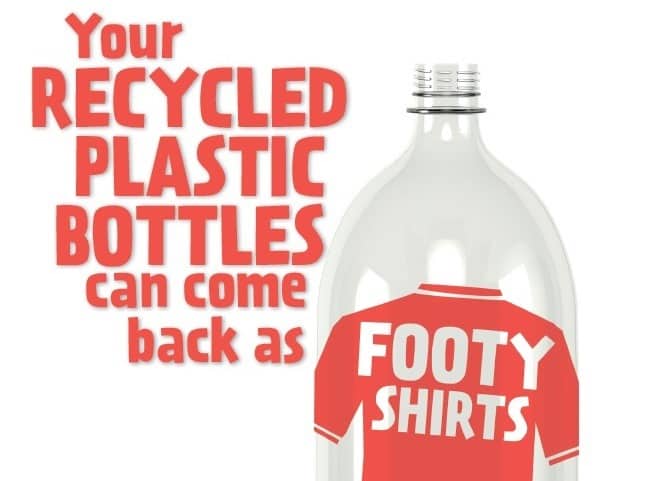

WRAP has been working since September 2014 to update the nationwide recycling communications scheme which includes a range of free to use communication materials for local authorities and other organisations to coordinate recycling initiatives.
The campaign was originally launched in 2004, with the help of around £10 million in support from the government and is now thought to have been used in some form by as many as 90% of the local authorities in England.
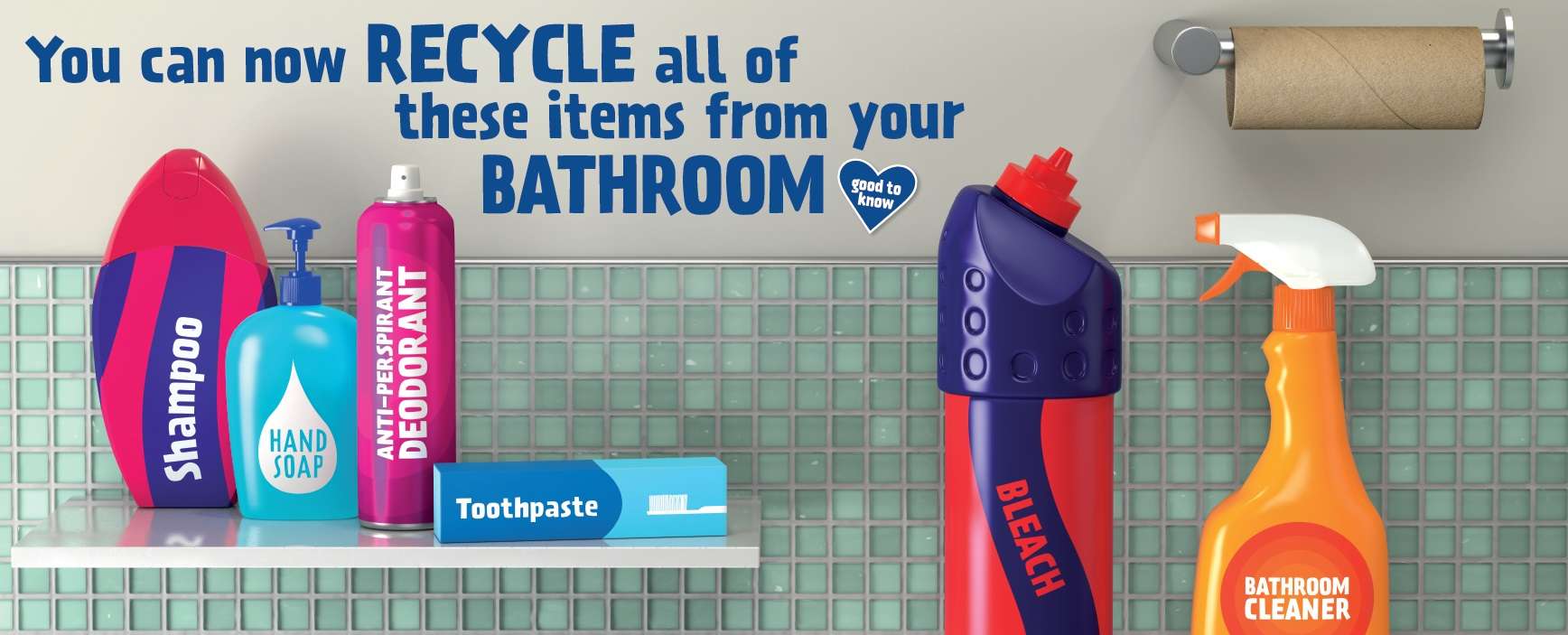
Much of the work to update the Recycle Now resources has been informed by the findings of WRAP’s ‘Barriers to Recycling at Home’ report, published in December, which identified that many households are “confused” by plastics and food waste recycling.
The resources are also based on findings gained through focus groups and feedback and ideas from the Recycle Now Advisory Group, which includes representatives from local government, retailers, the recycling industry and waste management companies.
According to WRAP one of the key objectives of the refresh is to encourage people to recycle more of the “right things” from around the home. The focus of the refresh is to help increase the amount of recycling collected by targeting those households who are already engaged but could be doing a bit more.
The 2015 Recycle Week is due to take place between June 22 and 28, with a focus this year on ‘recycling around the home’.
Commenting ahead of the launch, Marcus Gover, Director at WRAP: “The recycling landscape has evolved since the launch of Recycle Now in 2004 and to increase recycling rates further, WRAP is launching a major refresh during Recycle Week. We’ve listened to the needs of the householder’s of 2015 and developed new materials to help our partners encourage the public to recycle more. The new materials are ready now so we encourage partners to download them ready for Recycle Week.”
Trials of some of the promotional materials to be launched on June 22 have already been carried out in Sheffield and Tunbridge Wells, where WRAP claims that they received positive feedback from residents (see letsrecycle.com story).
Around 12,000 households in each area took part in the pilots, with each council selecting collection routes where “engaged recyclers” are the most prevalent.
Related Links:
–WRAP

Register for free to comment