


Keith Patterson, a waste sector specialist at resources charity WRAP, made the comments at the MRF and Markets Conference on Wednesday (2 November), held at the Marriott Hotel in Warwick.
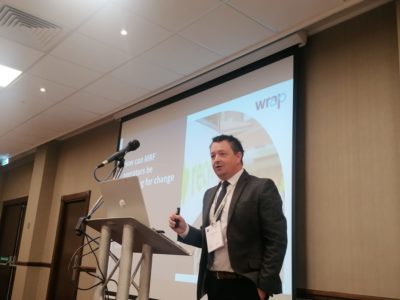
He discussed what material recycling facilities (MRFs) needed to do in preparation for upcoming legislative changes and said that, despite a lack of clarity on timelines, more could be done.
He outlined the conversations WRAP has had with MRF operators already, before outlining how preparations can be improved.
“We asked how long changes will take for adding new technologies. We received a range of responses from six months to two years. This really reflects the diversity of plants in the UK,” he said.
Mr Patterson added: “We heard about the needs for additional storage, additional conveyors and systems and an increase number of staff, too.”
On preparations, he used the example of film. He said: “How can operators prepare? We can make preparations for 2027. We have that timeline which is known.
“Those conversations could be happening, but we know from our engagement that they are not. This could be about changes to input materials, contracts etc. That’s something we should actively be doing to engage and understand barriers.”
Guidance
Following on from Mr Patterson was Mat Crocker, independent consultant, who spoke about the work the Environmental Services Association (ESA) is doing.
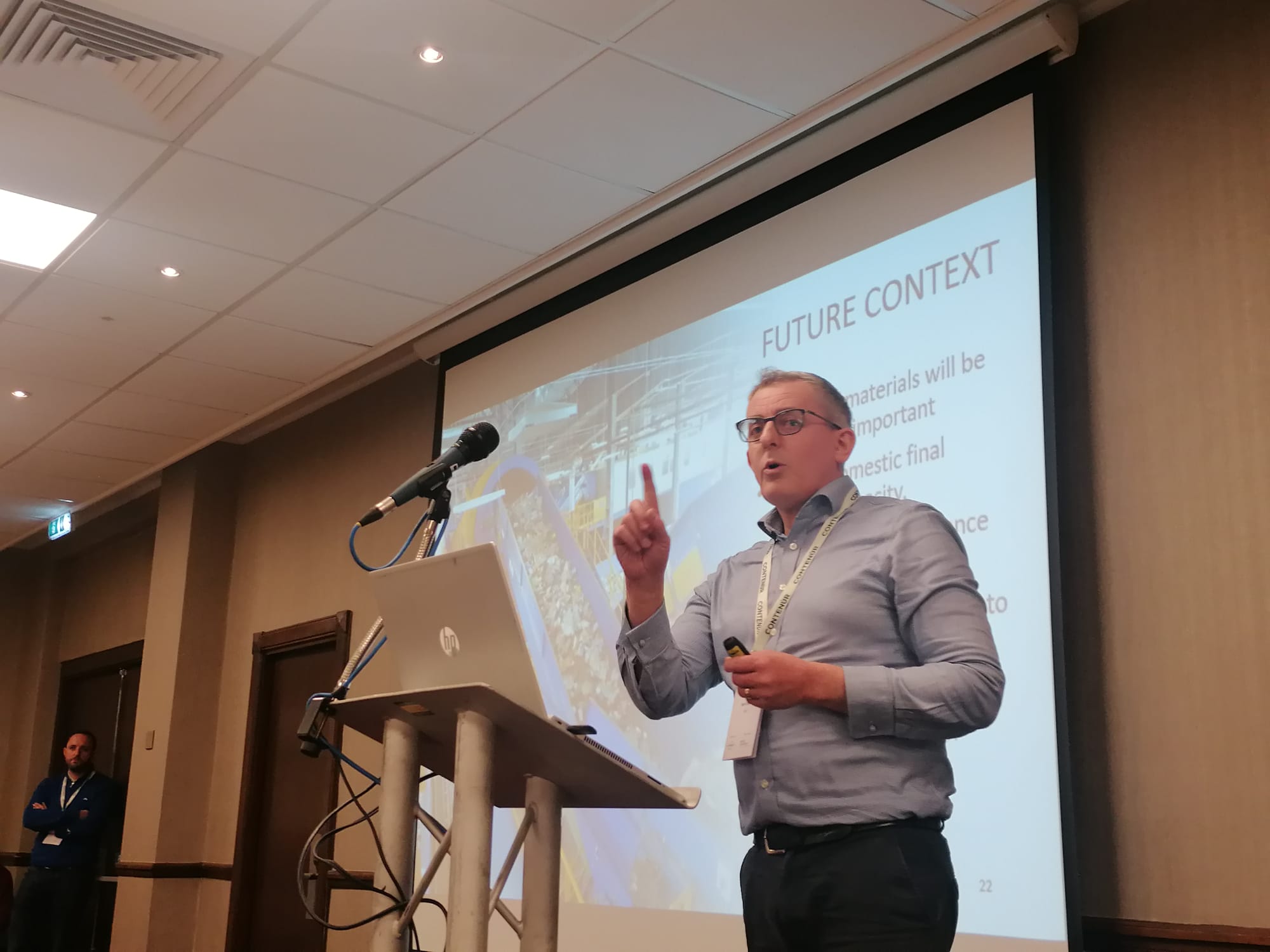
He said the ESA had launched guidance on exports, which looks to set best practice for those exporting waste.
He said that where the line is drawn for material being “substantially free of contamination” under de minimis is up to the courts, but the guidance looks to help exporters meet regulations.
On batteries, he said the report analysed the market for 2021 and found that 48% of all waste fire involved batteries, with 257 incidents. He also highlighted the work the ESA had undertaken to raise the public’s awareness of the issue.
End of waste
The session was concluded by Anna Willetts, president of the Chartered Institution of Wastes Management (CIWM) and environmental lawyer at GunnerCooke, who discussed end of waste regulation.
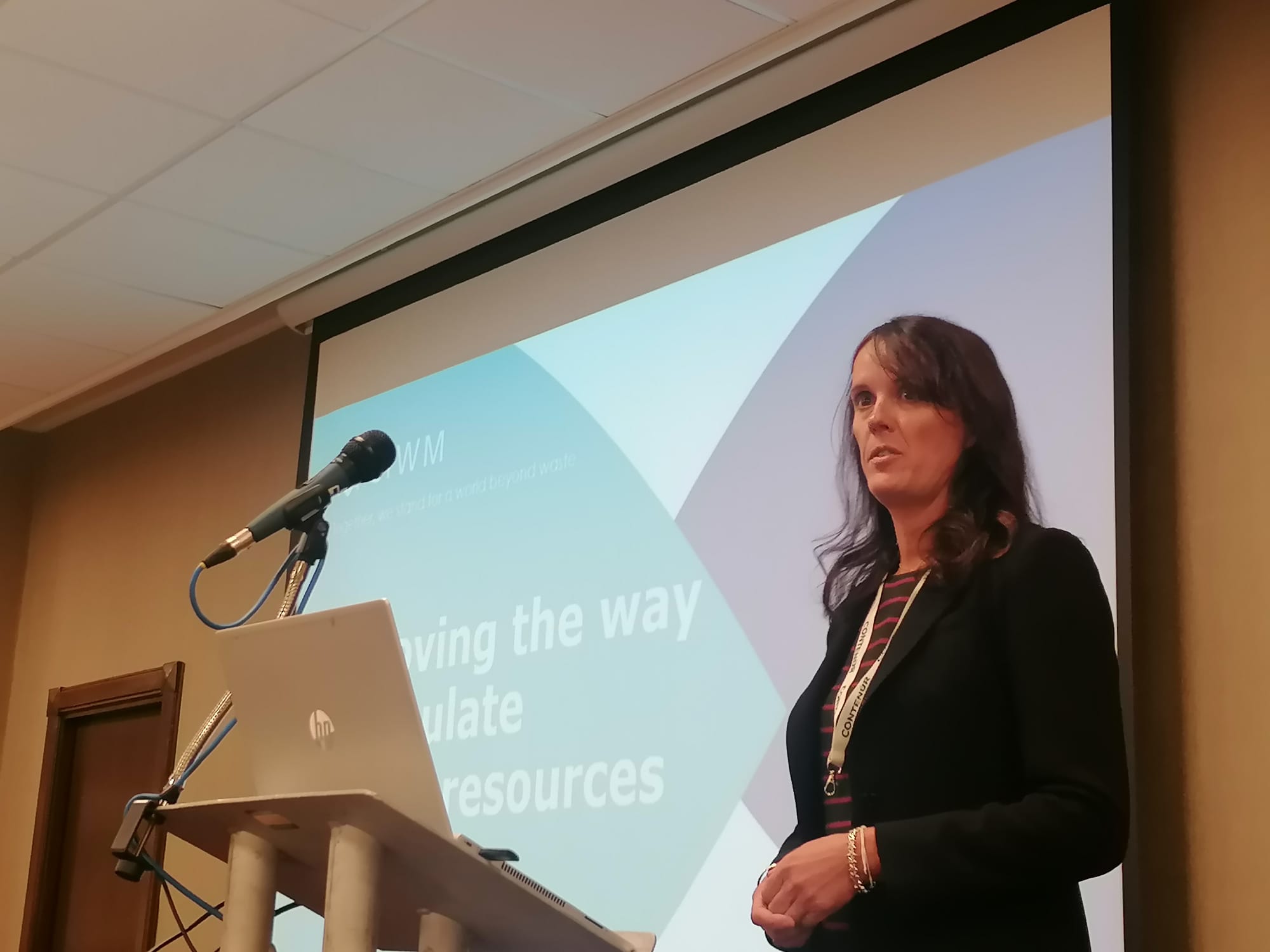
She highlighted the work the CIWM had undertaken with Eunomia to evaluate where end of waste regulations fit within a circular economy and said the two were “not compatible” without further clarification.
Ms Willetts added that the project found differences across the four UK nations and Europe and she hoped for a “more holistic approach” to measuring environmental health and benefits.
She used a number of case studies of clients she had worked with who had been prosecuted by the Environment Agency to highlight this. This included someone facing a fine for illegally using waste when processing oyster shells into building products. She said it took 18 months of work to find the client innocent and that this time “could be better spent elsewhere”.

Register for free to comment