

Backed by the Green Investment Bank (GIB), the project will process around 55,000 tonnes per year of waste timber from local suppliers and demolition sites and is set to begin generating heat and power from spring 2017.
The project is being developed by Sheffield-based firm UYE Ltd, which earlier this year appointed waste management firm Veolia to operate the facility and provide technical support during the commissioning period.
Once in operation, the plant will produce enough energy to power more than 10,000 homes, with the electricity sold to GDF Suez UK under a long-term power deal.
The development is expected to create 60 jobs during construction and a further 15 full-time positions once operational.
Situated on Sheffield’s Holbrook Industrial Estate, the facility will also have the potential to supply a local district heating network, which will heat more than 6,700 houses and commercial properties in the area.
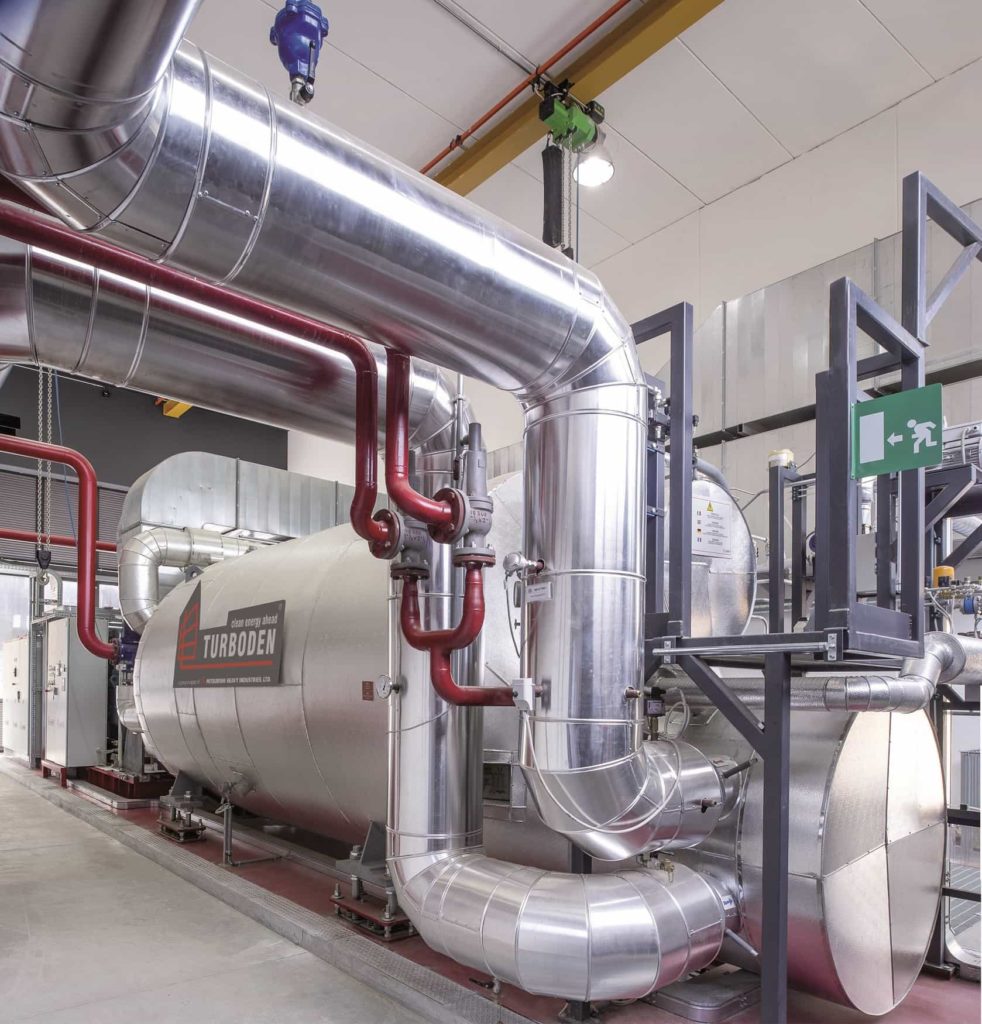
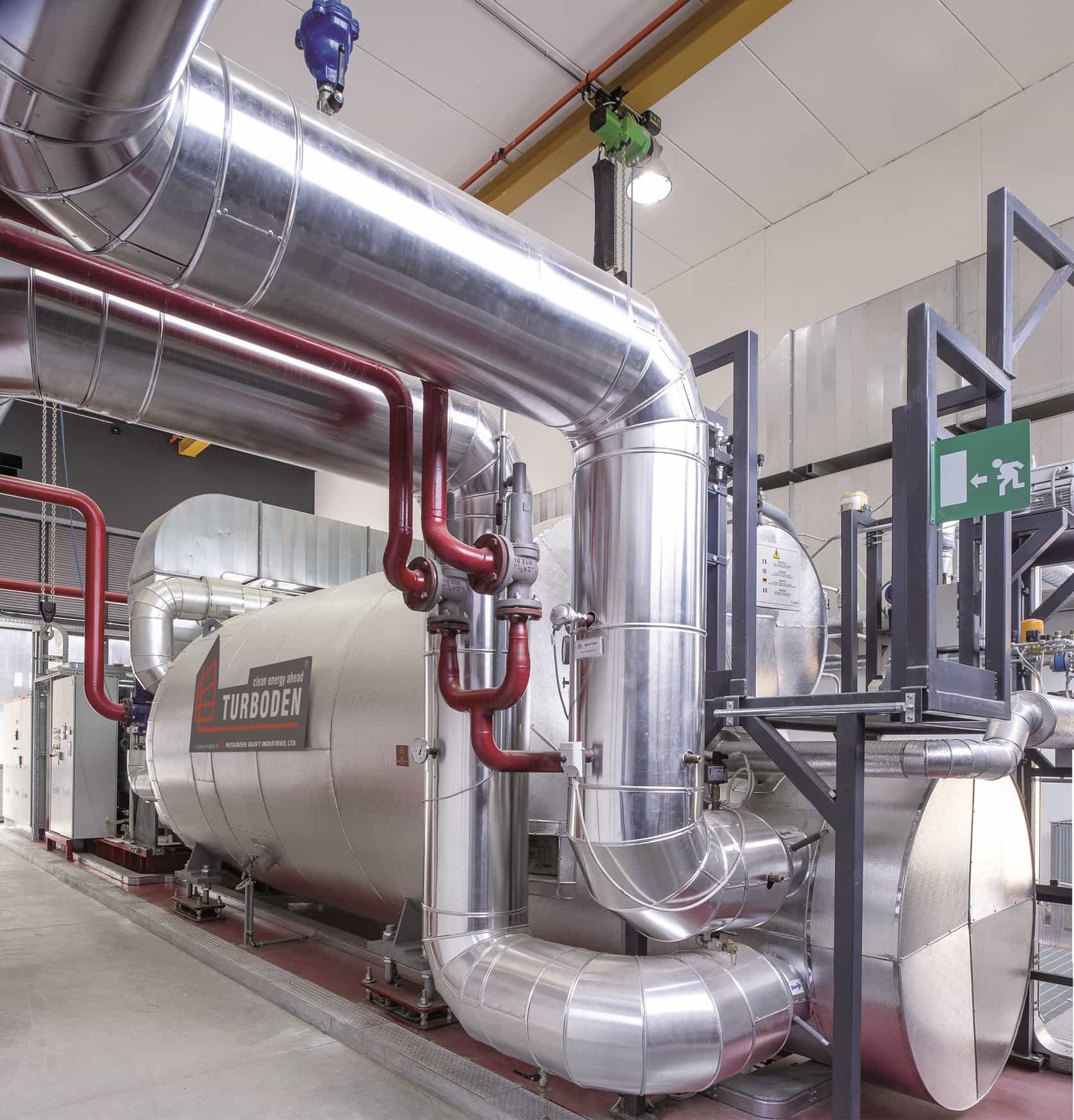
And today (November 10) Turboden Srl – which is part of the Mitsubishi Heavy Industries Group –announced that it will supply the 6.5MW power-only clean electricity generation equipment, which uses ‘organic rankine cycle’ (ORC) turbogenerators with air condensers.
The biomass fuel will be burned in two water-cooled moving grate furnaces, and Turboden’s technology uses ‘organic fluid’ vapour as the driving force for the turbine within a closed loop heating circuit.
The company has previously supplied seven other power plants in the UK, as well as biomass power units to facilities in British Colombia, Canada, and Maine in the USA.
Backers
Infrastructure investment company Equitix and the GIB are together providing £14.6 million towards the project, while a further £15 million or private capital has been mobilised from the Equitix Energy Efficiency Fund.
Specialist district heating company Kantor Energy Ltd is acting as the EPC contractor for the project, with the specialist flue gas and cleaning systems supplied by VAS Energy Systems International GmbH.
Once operational, the biomass plant is expected to cut greenhouse gas emissions by approximately 12,700 tonnes of CO2e per year, the equivalent of taking 5,700 cars off the road for the life of the project.


Register for free to comment