


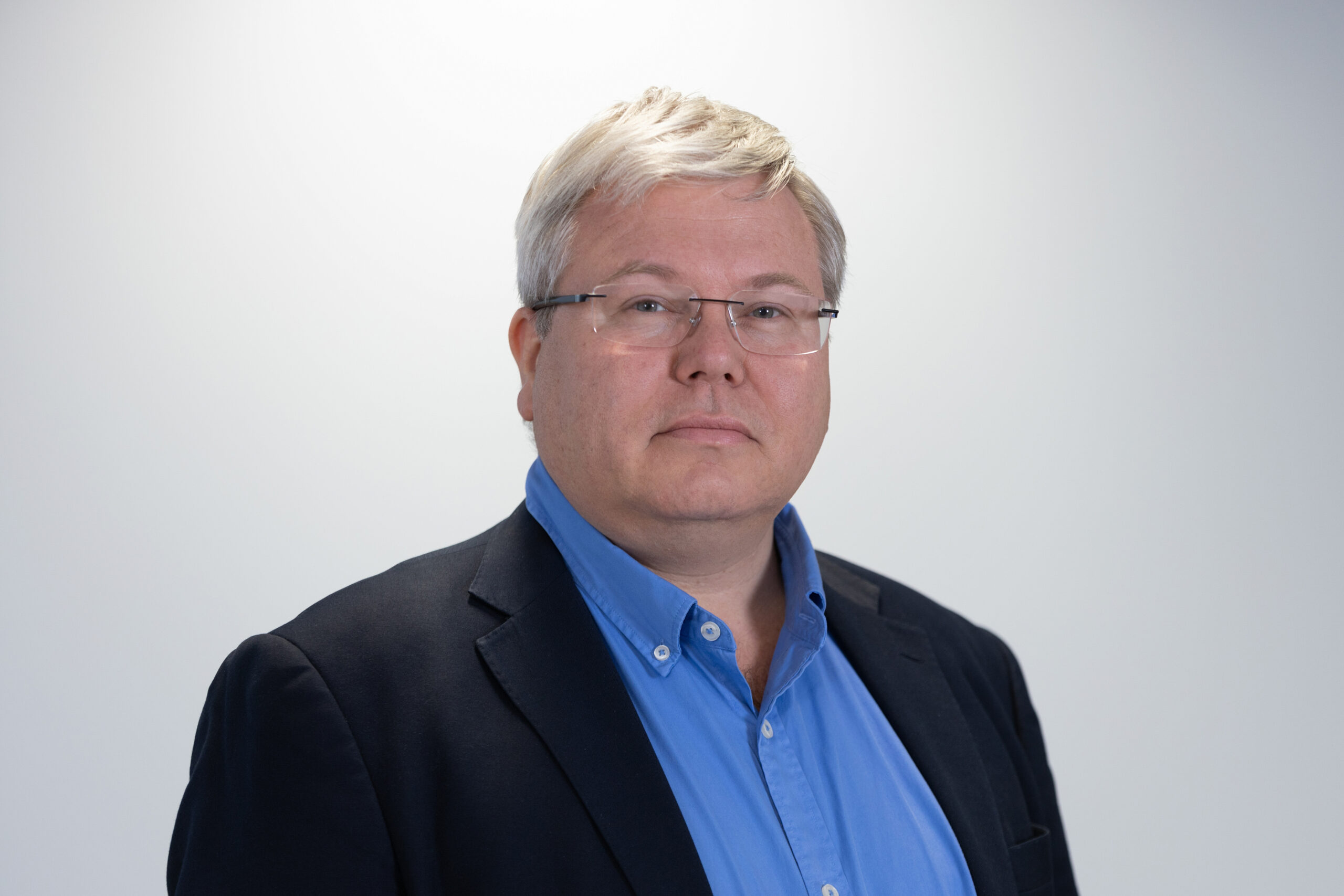
OPINION: I have worked in consumer products all my career, aspiring to create better products and packaging at Unilever for many famous brands. Returning to the UK in 2017 as chief exec for Unilever UK&I, there was considerable momentum behind tackling the plastic that ended up in the oceans.
In January 2018 the UK Government published “A Green Future: Our 25 Year Plan to Improve the Environment” which included actions to eliminate all avoidable plastic waste. WRAP was tasked to develop “a new cross-sector (business, government and NGOs) commitment to tackle plastic waste… with initial focus on plastic packaging.” I believed the whole-hearted participation of all these different stakeholders would make for strong outcomes and was among the first to sign up, very keen for Unilever to play its part.
On April 26, 2018, the UK Plastics Pact launched with 42 signatories (growing to 165 by 2025) at an event overlooking the Thames and introduced by the Secretary of State for Environment. I spoke on a panel of founding members for Unilever and made the point that while we could each go fast alone, we would achieve more and go further together.
The Plastics Pact set out bold ambitions and charted a shared journey we’d take together, driving the elimination of over 726 million problematic plastic items and aligning company actions to the upcoming rule changes around packaging tax and packaging Extended Producer Responsibility (pEPR). It soon became clear that whilst the principle of producers paying for the collection and recycling of their packaging was widely acknowledged to be fair, there were many important details to be sorted out before any pEPR system would operate in practice.
In 2023 the environment ministers of the four home nations constituted an advisory Steering Group for the pEPR scheme administrator. The group has representatives from all the stakeholders: producers, local authorities, waste management industry, NGOs and civil servants. I was appointed Chair. A key goal for me was to help reduce the number of conversations happening at crossed purposes between business and government.
Whilst our advisory work was clearly defined by the legislation already laid down, we managed to work out improvements to many aspects of the scheme, and input to future secondary legislation. I believe the practical contribution of businesses, working on the implementation of major change with national and local governments can’t rewrite the statute book, but it can make a big difference.
When I left Unilever in 2022 after 32 years, looking for new challenges, I was keen to work at the intersection of industry and public policy around the circular economy. I wanted to participate in system-wide innovation, benefiting the public, companies, and the economy. I joined WRAP as Chair of the Global Board of Trustees, and I’m committed to playing my part to achieve these stretching goals.
More intelligent use of less packaging is still critical. Scaling commercially reusable packs wherever possible will eliminate millions more single-use items. This should go hand-in-hand with an effective, fair, and economic recycling market for packaging material that cannot be reused. Both would be significant results that are worth working together for.
Through collaboration between industries, governments, and NGOs in the new UK Packaging Pact convened by WRAP, we will tackle the toughest systemic barriers and accelerate circular packaging at scale. Through PackUK and the upcoming PRO, the effectiveness of the resources paid into pEPR can be fully optimized. We have a groundswell for change to a more circular economy that works for all stakeholders.
I was bowled over to receive an award in the King’s New Year’s Honours for services to business and to the circular economy. It recognizes the value of those in industry who take the time to work constructively and collaboratively with other sectors and government to create better outcomes. I enjoy working alongside so many people who want to innovate a better future that’s also better business. It shouldn’t be lost on anyone that the circular economy is growing in value much faster than the economy as a whole. Bringing circular living into every boardroom and every home will create more benefits still. There’s so much more innovation to come – so much is possible and so much more needs to be done.

Subscribe for free