



St Helens R.F.C launches disposable vape campaign
St.Helens R.F.C. has partnered with vape company Totally Wicked and St Helens council to launch a disposable vapes campaign.

The campaign includes information at matches about how to correctly and safely dispose of vapes, highlighting Totally Wicked’s takeback scheme as a possible option.
Totally Wicked has been sponsoring the club for around 10 years, with the stadium renamed the ‘Totally Wicked Stadium’ in 2022.
Marcus Saxton, chief executive of Totally Wicked and chairman of the Independent British Vape Trade Association, stated: “As a responsible vaping brand, we recognise that it’s not enough to simply sell high-quality vaping products. We must also take responsibility for the environmental impact of those products and work to minimise it as much as possible. By providing a comprehensive recycling program for vapes, we’re taking concrete steps to reduce waste and promote sustainability within the vaping industry.”
Stratford HWRC closed due to farm vehicle incident
Stratford upon Avon’s household waste and recycling centre in Burton Farm will be closed over the next few weeks following an “incident involving a farm vehicle.”
Due to damage to the bridge that runs over the entrance of the recycling centre, the site will be closed while Network Rail makes necessary repairs.
Cllr Heather Timms, Warwickshire county council portfolio holder for environment, climate and culture, said: “The damage to the bridge over the entrance to Burton Farm, though accidental, is very frustrating and I would like to extend the apologies from the council to anyone whose recycling centre bookings have been disrupted as a result.”
Demand rises for Vecoplans VPC
Recycling equipment manufacturer Vecoplan has said demand for its primary wood crusher for shredding large and bulky components such as pallets and crates, has risen.
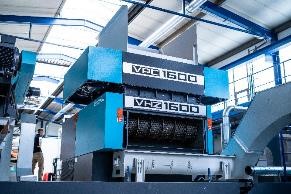
“The inquiries came mainly from the USA,” reports Dirk Müller, head of at Vecoplan’s wood division.
He added: “American material & distribution centres and DIY supermarkets often use disposable pallets.
“These bulky wooden components must be reliably shredded in continuous operation, a process that’s usually only possible with large shredders – and they have a large footprint. In addition, if components such as pallets are fed directly to the shredder, the throughput rate is relatively low due to their light and airy construction – and shredding them takes time”
Geminor warns waste industry about bird flu risk
Norwegian-owned waste to fuel specialist Geminor has said the waste industry must treat dead birds as infectious waste in order to prevent infections from spreading when residual waste is exported.
This is important to the company as it exports waste across Europe, and risk spreading bird flu between countries if the issue is not tackled.
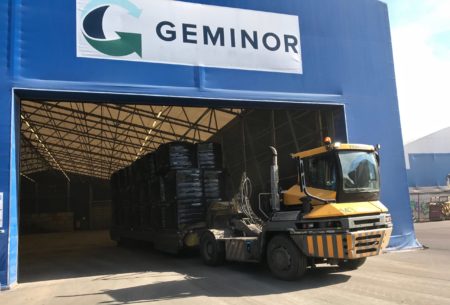
Regional manager in Geminor, Vidar Monsen said: “Dead birds are in practice infectious waste and must be handled accordingly. This is something that both private individuals, municipal staff and waste companies that handle dead birds must be aware of. As the Norwegian Food Safety Authority also states, it is very important to ensure safe collection and final treatment of dead birds, so that we can reduce the spread of the disease.”
He added: “To be absolutely sure not to spread infection through the waste system, we recommend that everyone treats dead birds as infectious waste. Today, waste flows are international, and in the worst-case scenario, we could risk exporting the infection to countries such as Sweden and Finland through the export of residual waste.”

Subscribe for free