



UKBIC produces first cathode electrodes using Altilium’s recycled CAM
The UK Battery Industrialisation Centre (UKBIC) has successfully processed one of Altilium’s recycled battery materials for the first time.
The material was processed to produce cathode electrodes – a key component in a lithium-ion batteries.
The cathodes will be used in the production of NMC 811 battery pouch cells, for validation by a “leading UK automotive OEM”.
The next stage of the process will involve the assembly of pouch cells at UKBIC, followed by validation studies with the OEM.
The battery cells will be the first to be manufactured at UKBIC complying with the EU’s new Battery Regulations, which require minimum levels of recycled lithium, nickel and cobalt in new EV batteries from 2031.
AO Telford fridge recycling plant featured on BBC
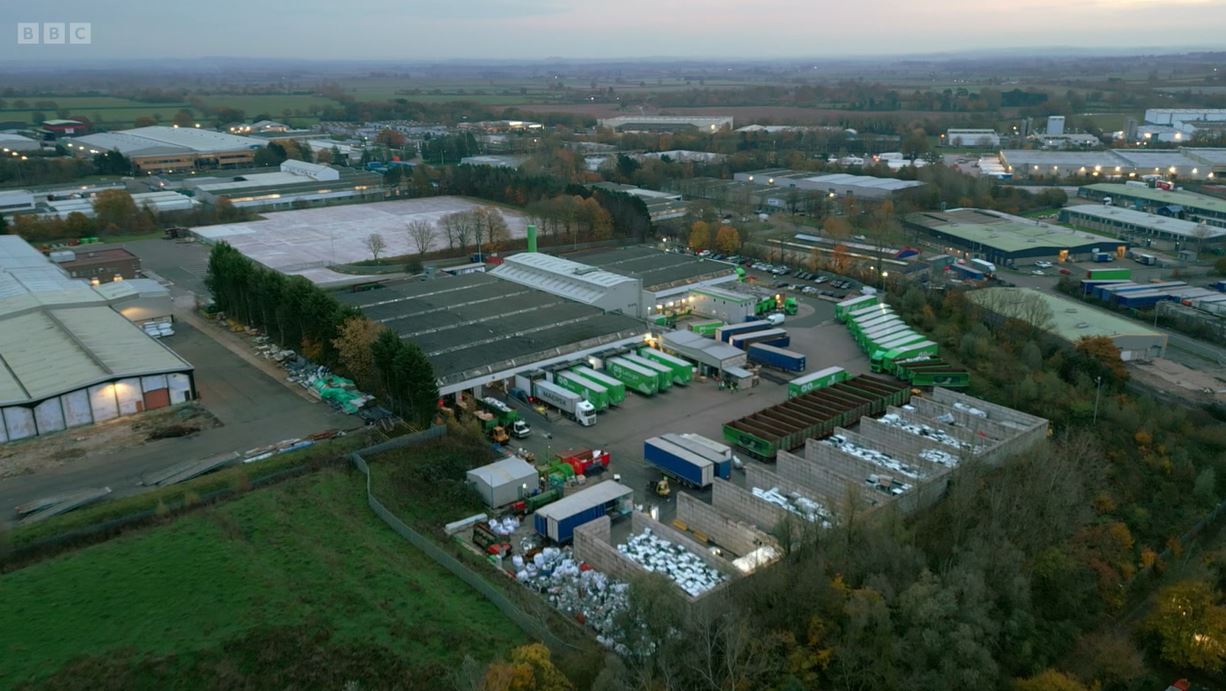
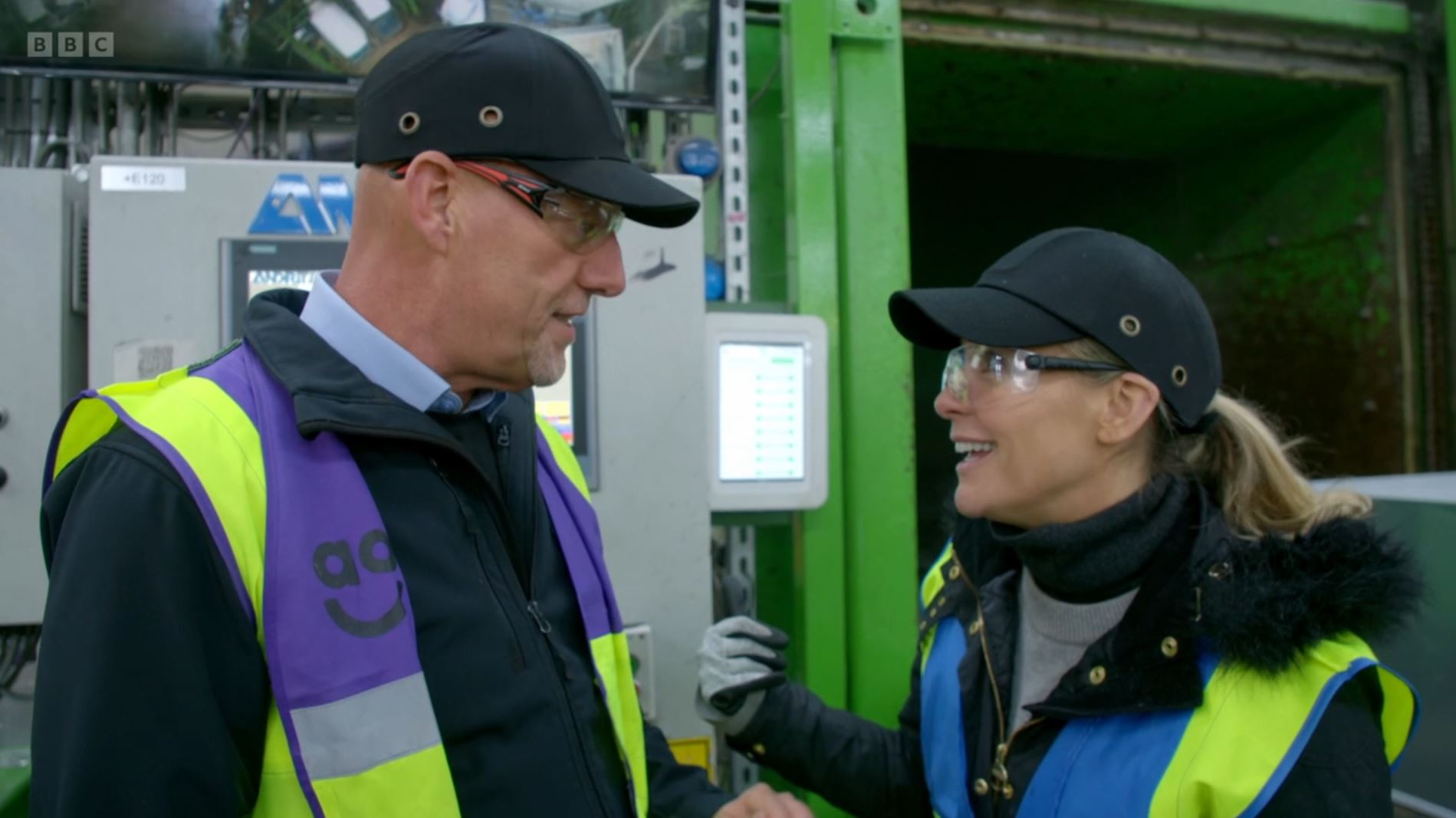
Online electricals retailer AO’s Telford fridge recycling plant featured on an episode of the BBC’s Inside the Factory.
In the episode, co-presenter Cherry Healey visited the state-of-the-art facility, which is one of the biggest of its kind in Europe, and learned how AO recycles 500,000 fridges annually.
Rob Sant said: “It was an absolute pleasure to welcome Cherry and the Inside the Factory team to Telford so they could see Bertha in action and learn more about how we turn customers’ old fridges into brand new products.
“Seeing the plant on prime-time TV, on such a beloved series, is a fantastic experience and a testament to the brilliant work our AOers put in every day.”
The episode is now available to watch on BBC iPlayer.
CIWM to launch competition for schools in April
The Chartered Institution of Wastes Management (CIWM) and The Sustainables Academy have launched a free competition for UK primary schools.
The “Design the Resource Revolution Centre” will see schools nationwide engage with concepts of better reuse, recycling, innovative technology, green skills and actions that support “Earth stewardship”.
It will launch in April 2025, but resources are currently available so that educators can begin planning.
It will focus on the “10Rs”: Refuse, Reduce, Reuse, Recycle, Repair, Re-purpose, Rethink, Regenerate, Redesign and Recover.
“By integrating critical thinking, innovation, and environmental stewardship into the classroom, this competition empowers young people to design the future of sustainable resource management,” said Dan Cooke, director of policy, communications and external affairs at CIWM.
“This is more than just a competition — it’s an opportunity to change mindsets, promote green skills development, and foster a deeper understanding of resources and waste management and the circular economy.”
DS Smith: Six million Valentines Day cards end up in residual waste
DS Smith has reported that this year more than six million Valentines Day cards ended up in landfill or incineration.

A study from the packaging company said that 28% of Brits who said they expected to receive a card on Valentines Day admitted they would put them in the general waste bin rather than recycling them correctly or keeping them.
The study found that of those lucky enough to have received a Valentines card, just under a third (31%) said they recycle them, whilst one in 10 (10%) will throw them away the same day or the day after receiving it.
Samantha Upham, senior sustainability manager at DS Smith, said: “We’re calling on gift-givers to challenge themselves to seek out products that not only use paper-based packaging substitutes in place of plastic, but also less packaging overall.
“Love shouldn’t cost the Earth, and that’s why recycling properly this Valentine’s Day is so important. Clearly people want to do their best when it comes to recycling, but often they simply don’t know how to recycle certain items.”

Subscribe for free