


Commissioned by ReLondon ahead of Repair Week 2026 (2 to 8 March), the research found that nearly two in three (64%) people say they spend around £277 a year replacing items they believe could have been repaired.
With 335 million repairable items – equivalent to six per person – thrown away annually, the financial and environmental cost of the UK’s throwaway culture is mounting.
Textiles and electricals top the list of the most commonly discarded items.
Campaigners suggested that encouraging more repair could ease pressure on household budgets while also reducing waste.
The financial burden of not repairing
At a time when many households are managing rising living costs, the findings highlighted the hidden price of convenience.
Beyond the direct cost of buying new products, there are wider economic implications. Perfectly serviceable goods are entering the waste stream prematurely, contributing to disposal costs and the demand for new raw materials.
By contrast, repairing items keeps money circulating locally – whether through independent repair shops, social enterprises or community workshops – and can extend the lifespan of everyday goods by years.
Appetite for repair
Despite high levels of replacement, the survey pointed to strong public willingness to repair.
Almost half of respondents said they would feel confident changing a plug (48%) or replacing a button (49%), while 47% said they mend clothes and textiles.
However, for those who do not attempt repairs, a lack of skills remains the biggest barrier. Nearly half (47%) of people said they learnt repair skills from their parents, while 31% cited online tutorials, including TikTok and YouTube.
More than half (52%) said attending a repair workshop would be a good way to learn new skills and meet others in their community.
Repair Week 2026
Repair Week, which began in London six years ago, will take place from 2–8 March 2026 and has now expanded to cities across the UK, including Greater Manchester, Liverpool, County Durham, Belfast and Cardiff.
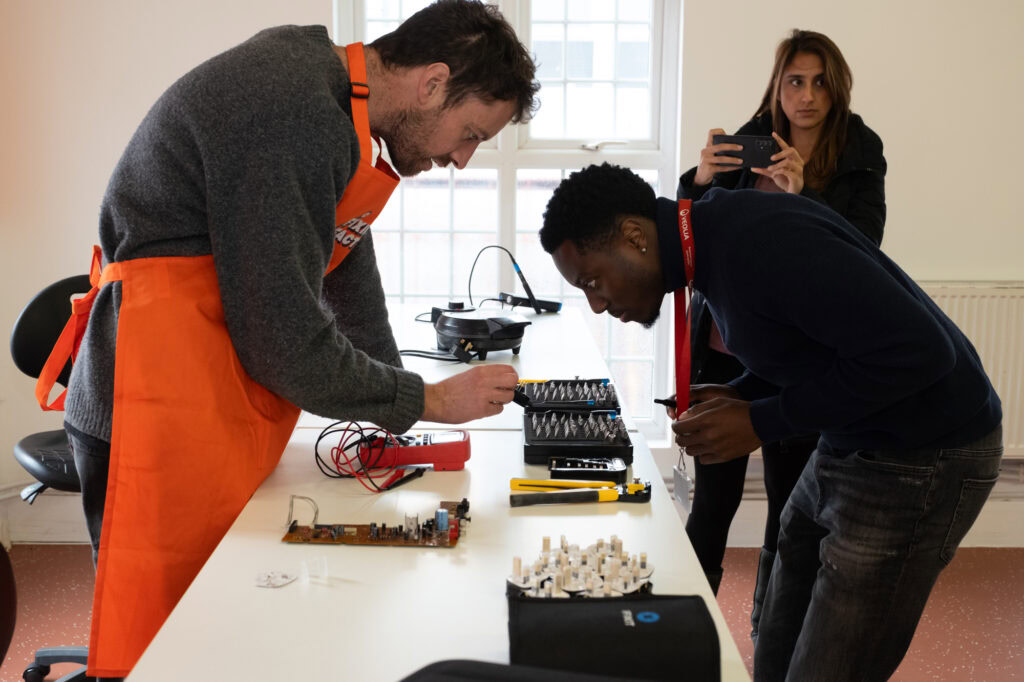
Hundreds of events are planned, offering opportunities to learn everything from bike maintenance and sewing skills to basic phone fixing, upholstery and furniture repair. Sessions range from beginner classes to more advanced workshops, aiming to make repair skills accessible to all.
As in previous years, ReLondon will spotlight three London-based “Repair Heroes”:
- Make Mee Studio – a Lewisham social enterprise hosting sewing classes and community projects, including tutorials on blanket stitch darning
- Community Cycleworks – focused on teaching practical bike repair skills such as testing and fixing brakes
- Fixing Factory – tackling e-waste through hands-on repair sessions, including simple electrical fixes such as changing a fuse
Katie Moriyama, Campaign Manager for Repair Week, commented: “We want to make fixing the norm, which is why we run Repair Week every year, making it easier for people to learn skills and access affordable, professional repair.
“From hands-on workshops with repair experts to online hacks, Repair Week is all about giving you the confidence to fix, mend, and make things last.”
Mete Çoban, Deputy Mayor of London for Environment and Energy, added: “Repair Week highlights an important message around sustainability and shows how much money we can save if we take a little time to fix a repairable item instead of just binning it.”


Subscribe for free