


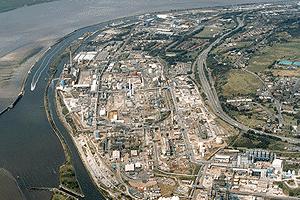
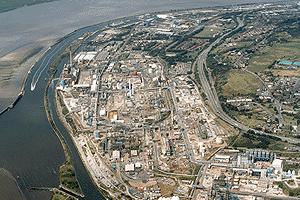
Announcing the plan to burn the waste at a new combined heat and power plant for which planning permission is now being sought, it was also revealed by the Greater Manchester Waste Disposal Authority that its signing of a contract with its preferred PFI bidder has been delayed until September.
The plants are to be built in Salford, north and south Manchester, Oldham and Stockport under the £320 million PFI contract for which Viridor Waste Management and construction partner Laing are the preferred bidder.
Approval
The decision to try and build a CHP plant at Ineos Chlor is thought to have won support from Defra because the department is concerned that traditional energy from waste plants are not recovering the heat generated even though they create electricity. A planning application has been submitted and will be considered by the Department for Business, Enterprise and Regulatory Reform (formerly the DTI) because it is for a power generation facility.
The speed of approval will depend on whether or not a public inquiry is held – the plant is due to be up and running in 2010. Local consultation is currently underway and concludes next month. Mr Judson noted that the local authorities in the area have the opportunity to have a plant in place much quicker than might have been the case if it was on other sites.
Working out the impact of the CHP plant on the contract with Viridor/Laing is one of the reasons for the delay in the contract, according to Tim Judson, head of procurement for the authority.
Mr Judson, who is on secondment from Defra, explained that the usage of the waste as fuel is very important. “We are working out the role of ROCs – renewable obligation certificates – and enhanced capital allowances on the financial side of the facility. The exact rules for ROCs and other factors are still a matter of discussion and we need to know precisely what the rules of the game are.”
Government is introducing new financial incentives on renewable energy and we are keen to see some of those benefits flowing to Greater Manchester taxpayers
Cllr Neil Swannick, GMWDA
Mr Judson added that part of the delay was also because the consultations now involve Ineos Chlor as well as Viridor/Laing.
Some observers have commented that the delay of the contract award until September could be linked to speculation about the future of Viridor, in case its owner the water utility Pennon Group ever became involved in a sale of some sort. One suggestion was that Manchester wished to make sure the contract was as “watertight as possible”. However, Mr Judson said that he could “categorically state” that this was not the reason for the delay.
Cost
With Viridor's highly competitive bid for the contract and also the potential for the sale of renewables certificates from a CHP plant, the waste disposal contract could cost the authority as much as £1 billion less than expected.
Viridor and Laing's price is now understood to have been even below the waste disposal authority's outline business case. Mr Judson confirmed that this was the case although “they were not unique in the bidding process in terms of affordability.”
Councillor Neil Swannick, chair of GMWDA, said of the Ineos Chlor proposal: “There is a clear link to jobs in the regional economy, we we can continue to use rail transport, and as a technical solution it fits very well with the Authority's ambitions for an efficient energy solution that makes local use of steam as well as electricity. We have seen a succession of government announcements about action on climate change, security of energy supply and more sustainable waste solutions. I am pleased that locally we are able to quickly give those good intentions a practical edge.”
Cllr Swannick added: “We are very keen to see the new facilities in place as quickly as possible. We recognise that government is introducing new financial incentives on renewable energy and we are keen to see some of those benefits flowing to Greater Manchester taxpayers. We expect this total contract cost to be £1 billion less than what we expected to have to pay over 25 years. In that context we can wait a few weeks to dot the ‘i's and cross the ‘t's on the contract”.
With the £1 billion reduction, the councillor was referring to cost projections a few years ago of £4 billion for the contract.

Subscribe for free