



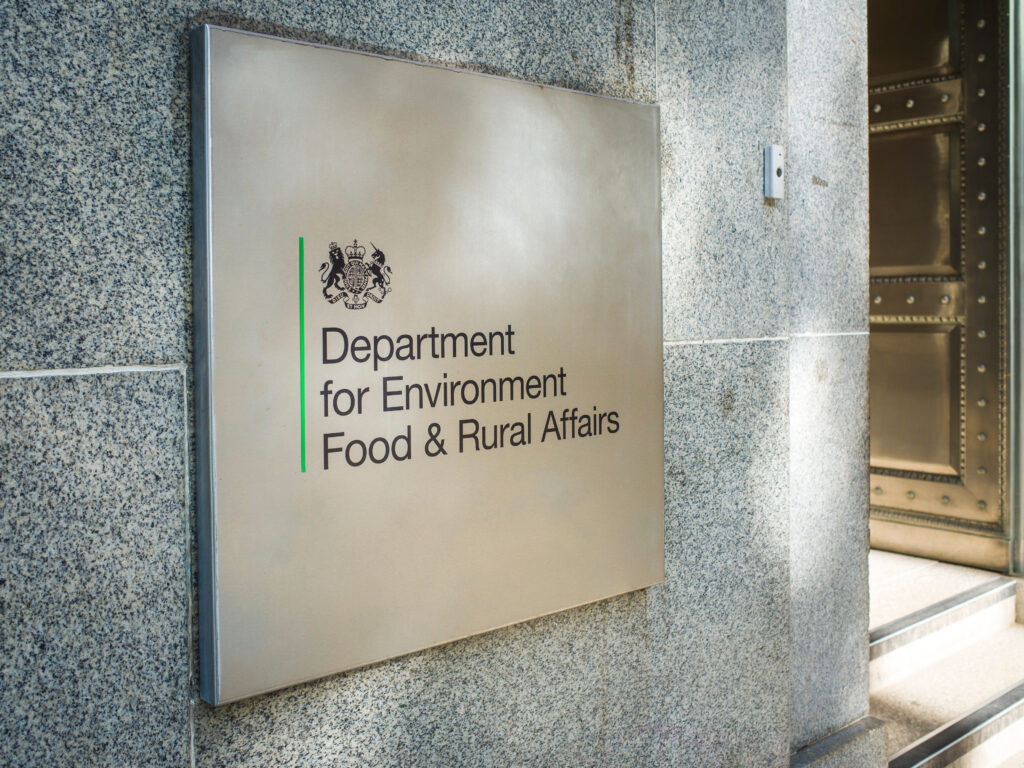
Unveiled today (3 February 2026), the PFAS Plan sets out a co-ordinated framework of action aimed at reducing environmental and public exposure to the so-called “forever chemicals”.
It engaged government departments, regulators and industry to improve understanding of where PFAS are used, how they move through the environment and how their impacts can be minimised over the long term.
PFAS are widely used across the economy, including in manufacturing, consumer products and low-carbon technologies. However, growing evidence has suggested that their persistence in the environment poses long-lasting risks to human health and ecosystems.
What are PFAS?
PFAS are a large group of synthetic chemicals valued for their resistance to heat, water and oil.
This same resistance means they break down extremely slowly, leading to their accumulation in soils, water bodies and living organisms.
As a result, they are increasingly viewed as one of the most significant emerging environmental challenges.
Environment Minister Emma Hardy said: “The persistent nature of ‘forever chemicals’ means they pose a long-term challenge for not only our health, but that of the nation’s vital ecosystems.
“It’s crucial that we protect both public health and the environment for future generations.
“Through our PFAS Plan, we will act decisively to reduce their harmful effects while transitioning to safer alternatives.”
The PFAS Plan
Among the headline measures is a forthcoming consultation on introducing a statutory limit for PFAS in England’s public water supply regulations.
According to Defra, the move is intended to strengthen protections for public health and make enforcement easier should water companies exceed permitted levels in the future.
For the first time, the full extent of PFAS contamination in England’s estuaries and coastal waters will also be assessed.
Further measures included:
- Developing guidance for regulations and industries to address legal PFAS pollution on contaminated land
- Carrying out tests on food packaging to trace the presence of PFAS
- Publishing a new website to raise public awareness
- Reducing emissions from industrial sites through new guidance for regulators and site operators on how to improve their handling, monitoring and disposal of PFAS
- Improving the monitoring of PFAS is soils by supporting the British Geological Survey
- Completing work of consider restrictions on the use of PFAS in firefighting foams
Environment Agency Chief Executive Philip Duffy added: “Through our monitoring programmes, risk screening work, regulatory expertise and assessment of evidence, we are helping to inform the public and stakeholders about our work to protect the environment from the risks posed by PFAS.
“We will play a critical role in delivering the government’s PFAS Plan, building on the work we have undertaken in recent years.”


Subscribe for free