

The need for the funding support was emphasised by to Hillary Tanner, policy advisor at the Local Government Association (LGA), who was speaking at the Anaerobic Digestion and Bioresources Association conference yesterday, December 11.
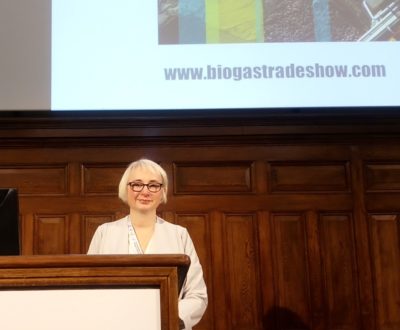
Ms Tanner explained that around 51% of councils in the UK collect food waste, and despite saving costs in the long run in waste disposal fees, many have reported issues with upfront costs.
The LGA policy advisor explained that more support is needed if the remaining 49% are to introduce them effectively.
“Councils understand the appetite for introducing separate food waste collections, but many have reported problems when rolling out the service,” she explained.
Trucks
Ms Tanner added: “For example, significant funds are sometimes needed for updated waste trucks, staff training and other physical costs. Often, the difficulties arise later down the line too, including engaging with residents and increasing capture rates, even with the most engaged residents.
“This should be funded by government and we are pushing to ensure that more is available to help with this”.
In the last government’s Resources and Waste Strategy, released in December 2018, a pledge was made to consult on the mandatory collection of food waste by 2023, with the consultation released in February.
It was stated that it would be ensured that “local authorities are resourced to meet new net costs arising from the policies in this Strategy, including upfront transition costs and ongoing operational costs”.
However, while the exact details of this are ironed out, it has left councils somewhat in limbo as to whether to roll out food waste collections now or wait for further clarification on funding which might be available.
Support
The morning session of the conference heard from by ADBA’s chief executive Charlotte Morton, who outlined the “essential” role AD plays in helping the UK meet its carbon reduction targets.
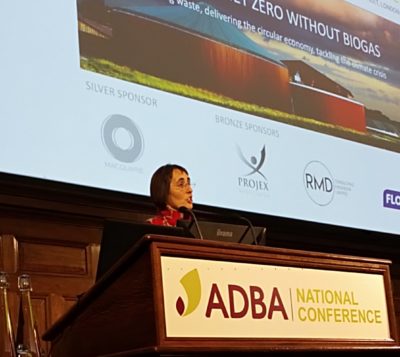
She stated the need for long term decisions from the government, which would give the industry confidence to invest in the AD plants required to both deal with additional food waste tonnage and reduce the carbon emissions of the UK.
“We have written to every party leader in the UK outlining our priorities for the next government. We need cooperation to ensure joined up policy to realise all the benefits that AD delivers,” Ms Morton explained.
The ABDA chief continued: “This ranges from increased funding to food waste collections to more work being done on research into the further benefits the technology can bring. We’re ready to work with any government, whether it be it be led by a Boris or a Jeremy.
“If we are to meet our carbon targets ministers must implement policies which take advantage of the benefits this sector can bring. We already cut 1% of the UK’s emissions and with the necessary investment this can significantly increase.”
The National Food Waste Conference, taking place 29th January in London, provides a chance to discuss the opportunities and challenges that food waste presents. For more information visit. www.foodwasteconf.com


Subscribe for free