


The Department for Environment, Food and Rural Affairs is proposing to set differentiated glass packaging recycling targets for businesses based on whether material is recycled into open or closed loop processes.
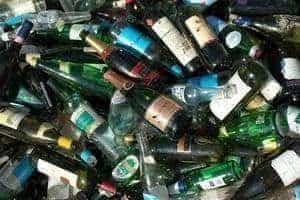
The move is the first time that carbon-based recycling targets have been formerly proposed in the UK could also have implications for how councils collect glass, because much commingled material which is sent to materials recycling facilities is mixed in colour and broken, meaning that it is often only suitable for aggregates.
The revelation, which firms up proposals first mooted in the Packaging Strategy published in June (see letsrecycle.com story ), came in minutes from the latest meeting of the government's Advisory Committee on Packaging, during which Defra presented the first draft of a consultation document on packaging recycling business targets for the years 2011-20, which is set to be published in final form next year.
While setting out a number of options for the targets, Defra said that its preferred option was to increase the business targets incrementally to 2020. At present targets have already been set up until 2010 (see letsrecycle.com story). This would include higher targets for aluminium and plastics in light of potential carbon savings, the department explained.
And, with regards to glass, it said it was considering a new approach altogether.
The minutes said: “Defra proposed to set differentiated glass targets on whether the material is recycled into closed loop processes. The committee commented that differentiation should apply to all materials not just glass as currently proposed.”
“Defra explained that glass was the focus as this stage because it was the only material where the difference in carbon savings between open and closed loop recycling was both pronounced and not incentivised by other market mechanisms.”
British Glass
Responding to the proposals, David Workman, director general of trade body British Glass, stressed that they were still provisional.
However, he welcomed the move towards a carbon-based approach as British Glass has been lobbying the government for several years to incentivise closed-loop glass recycling.
He told letsrecycle.com: “Whilst the recycling figures for glass look really impressive remelt has been declining in real terms since 2006. Something has to be done to mean it's segregated.”
Mr Workman said that, due to the general election next year, any change may take longer to introduce than expected. And, commenting on overall proposals to increase the glass recycling business target to 90% by 2020, he said: “If you look at the best in Europe there are four or five countries already getting towards or above the 90% level.”
“We don't have a problem with the revised targets, they are not unrealistic. The big issue is getting the material out of the waste stream. On the continent many countries use a combination of kerbside collections and bring banks and we would like to see a move to more bring systems.”

Subscribe for free