



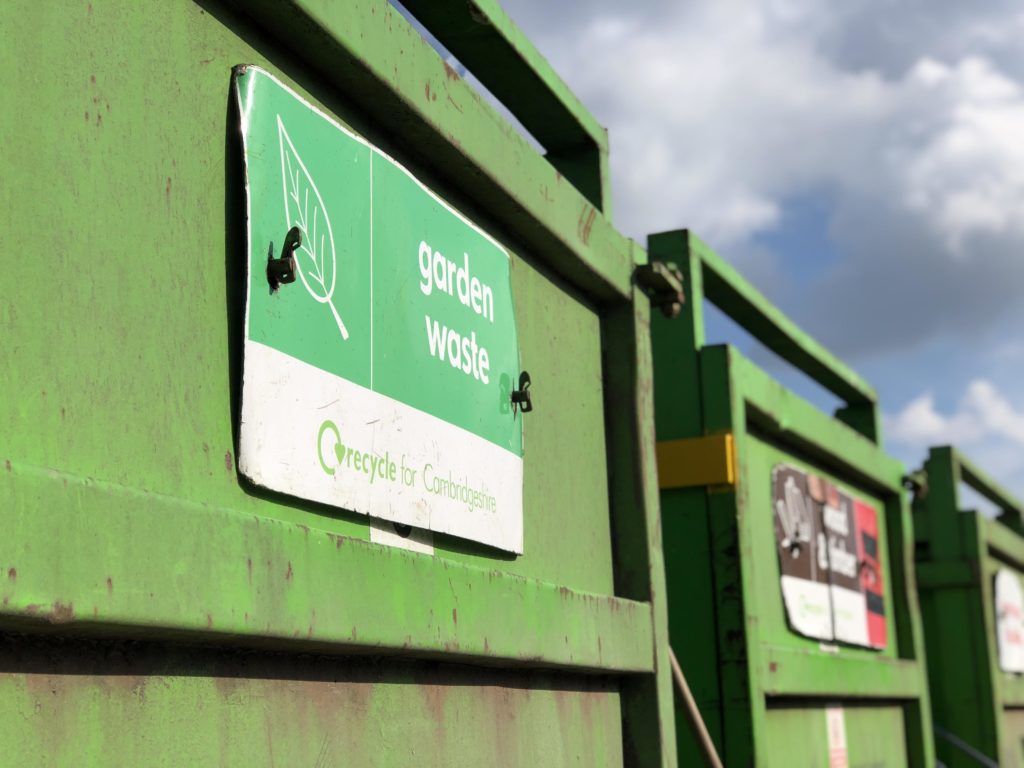

The scheme – which will begin operating in October – will mean residents planning to visit a HWRC with a van or trailer will need to apply for an e-permit online before they visit. The permits will allow residents 12 visits per year.
The council hopes the scheme will allow it to better regulate the use of vans and trailers at HWRCs and ensure that only household waste is being brought to the facilities. It has suggested savings of £97,500 may be made by year two of the scheme.
Councillor Mathew Shute – chair of the council’s highways and infrastructure committee – said the permits should ease pressures on Cambridgeshire’s nine HWRCs, which have seen a 20% rise in the waste collected at them between 2012/13 and 2016/17.
He added: “We want to prevent unlawful trade waste being disposed of at our HRCs, which is ultimately at a cost to the council tax paying residents of Cambridgeshire.
“With population growth and changes made by neighbouring authorities affecting us now is the right time for us to bring in a scheme that will not only address this issue but to allow us to monitor who uses our sites and ensure we can cope with rising demand on the service.”
“We want to prevent unlawful trade waste being disposed of at our HRCs, which is ultimately at a cost to the council tax paying residents of Cambridgeshire.”
Details
The plans were approved by councillors in May. An exemption has been included for trailers up to 570 litres in capacity and 1.5m in length (excluding the towing mechanism bar) – this is to allow larger household and garden waste deliveries to be brought to the HWRCs.
Additional site staff will be available to help at all nine HRCs in the early months of the scheme.
All councils bordering Cambridgeshire have made change to their HWRC policies, from reducing opening hours to charging for construction and demolition waste. In May the council noted that many of these decisions have led to out of county residents using Cambridgeshire’s facilities.
Cambridgeshire’s HWRCs are operated by Amey through a PFI contract. The council plans to use an IT system for the e-permits based on one developed by Northamptonshire county council, with amendments made to meet local requirements.

Subscribe for free