



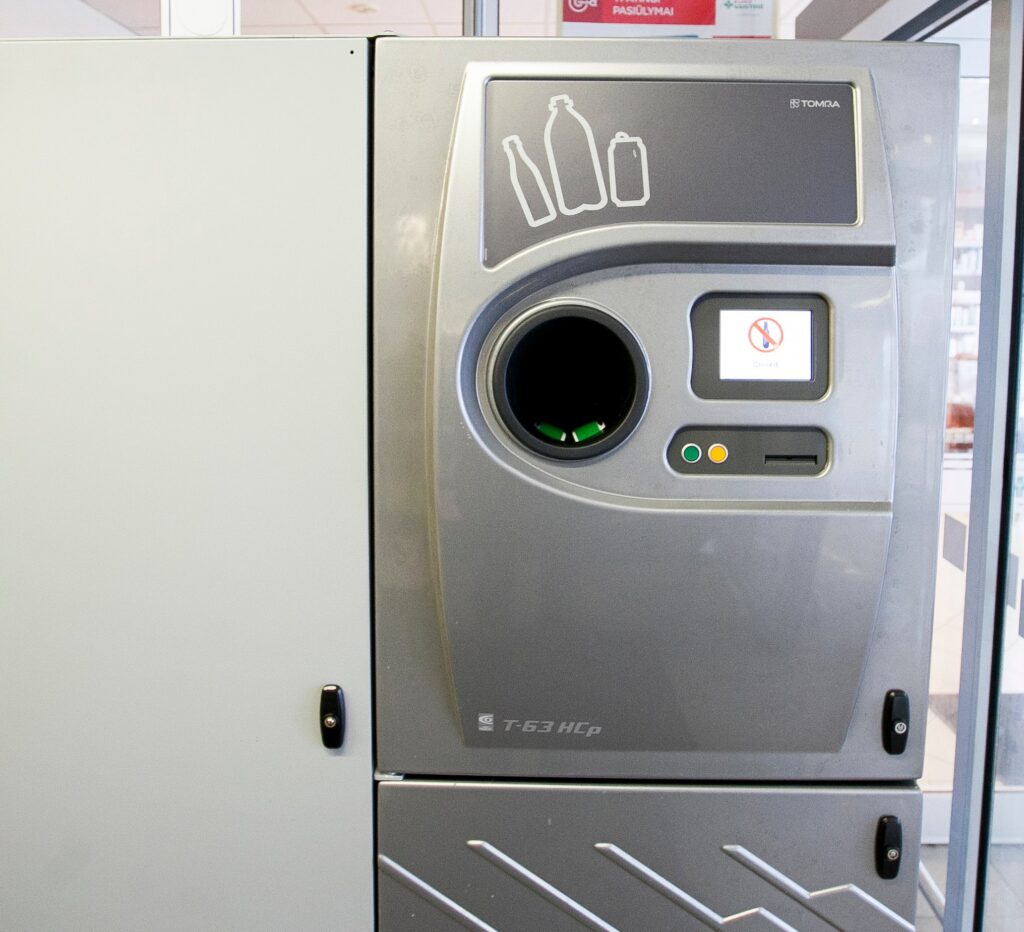
In the last two weeks, retailers have been ramping up the pressure on Defra and pushing for a delay to the scheme with organisations such as the Association of Convenience Stores and the British Retail Consortium expressing doubt over the feasibility of a October 2025 start date.
Following similar pressure applied to the department before it delayed extended producer responsibility payments there has been a growing belief that the system will be pushed back from the current already delayed October 2025 date.
‘Pushing ahead’
In a statement to letsrecycle.com a Defra spokesperson did not give a firm date for the scheme, but said: “We are pushing ahead with our programme of reforms to reduce waste and improve our use of resources – building on our commitments clearly set out in the Environmental Improvement Plan earlier this year.
“This includes introducing a deposit return scheme for drinks containers, which will boost recycling levels and reduce litter in our beautiful countryside. We will continue work with producers, retailers and packaging companies on the design and delivery of this scheme to ensure it delivers on our environmental goals.”
Criticism
The DRS’ rollout is also likely to feature during the Public Accounts Committee’s inquiry into the government’s waste reforms for England, with the first evidence session taking place on 11 September. Any delay will likely be announced before then.
The Committee opened its inquiry in July and invited evidence from industry, with the deadline closing on 28 August. ACS raised its concerns with the 2025 DRS deadline then (see letsrecycle.com story).
Cost
The British Retail Consortium cited the cost of the failure of the Scottish DRS scheme as the reason for its concern.
The association has urged the government to review the scheme, currently pencilled in for October 2025, saying that it has carried out research which shows the that the scheme could cost £1.8 billion a year.
The group stated that the £1.8 billion predicted figure covers various expenses, such as capital costs involving the purchase and setup of return vending machines, labour expenses which encompass staff training but would not cover the cost of expenses such as setting up a regulatory body to monitor the scheme (see letsrecycle.com story)

Subscribe for free