



The technology, called REnescience, has been developed by DONG Energy and tested at a demonstration plant in Copenhagen since 2009.
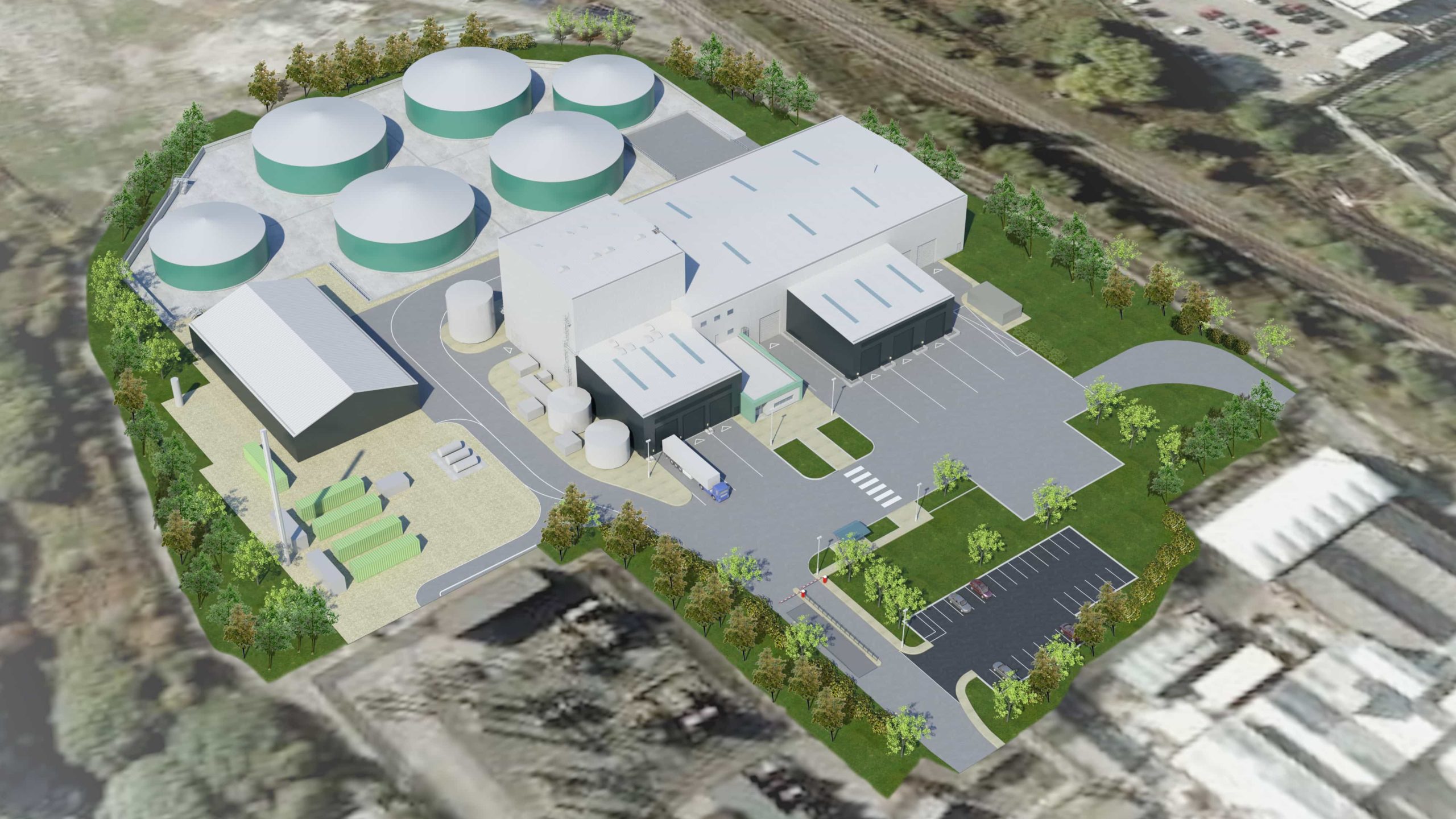
The Northwich facility will be the first full-scale commercial waste with a capacity to process up to 120,000 tonnes of waste per year. DONG Energy will finance, build and operate the plant, which will come online in 2017.
Around 150 people will be involved during the peak phase of construction, with an average of 75 at any given time. The plant will also require around 24 full-time employees to operate it.
Waste will be supplied to the plant by FCC Environment from the North West and the North Midlands. DONG Energy expects construction work to begin in February 2016, with the plant being commissioned in early 2017.
Brent Cheshire, DONG Energy’s UK chairman, said: “It’s fantastic to see the world’s first bio plant of this type being built in Northwich, underlining the UK is once again leading the way in renewable energy. This new plant also highlights our commitment to investing in the Northern Powerhouse.
“REnescience is a brilliant new technology and generates as many resources as possible from everyday household waste. This new bio plant will see us handling waste in a much smarter way”.
Process
According to DONG, the facility will work mixing together warm water and the waste inside a sealed vessel, alongside enzymes which will break down all organic matter. Once organic matter has been extracted recyclable materials can be recovered alongside a solid recovered fuel fraction. Inert materials, such as sand, gravel and glass, are also recovered for reuse as aggregates.
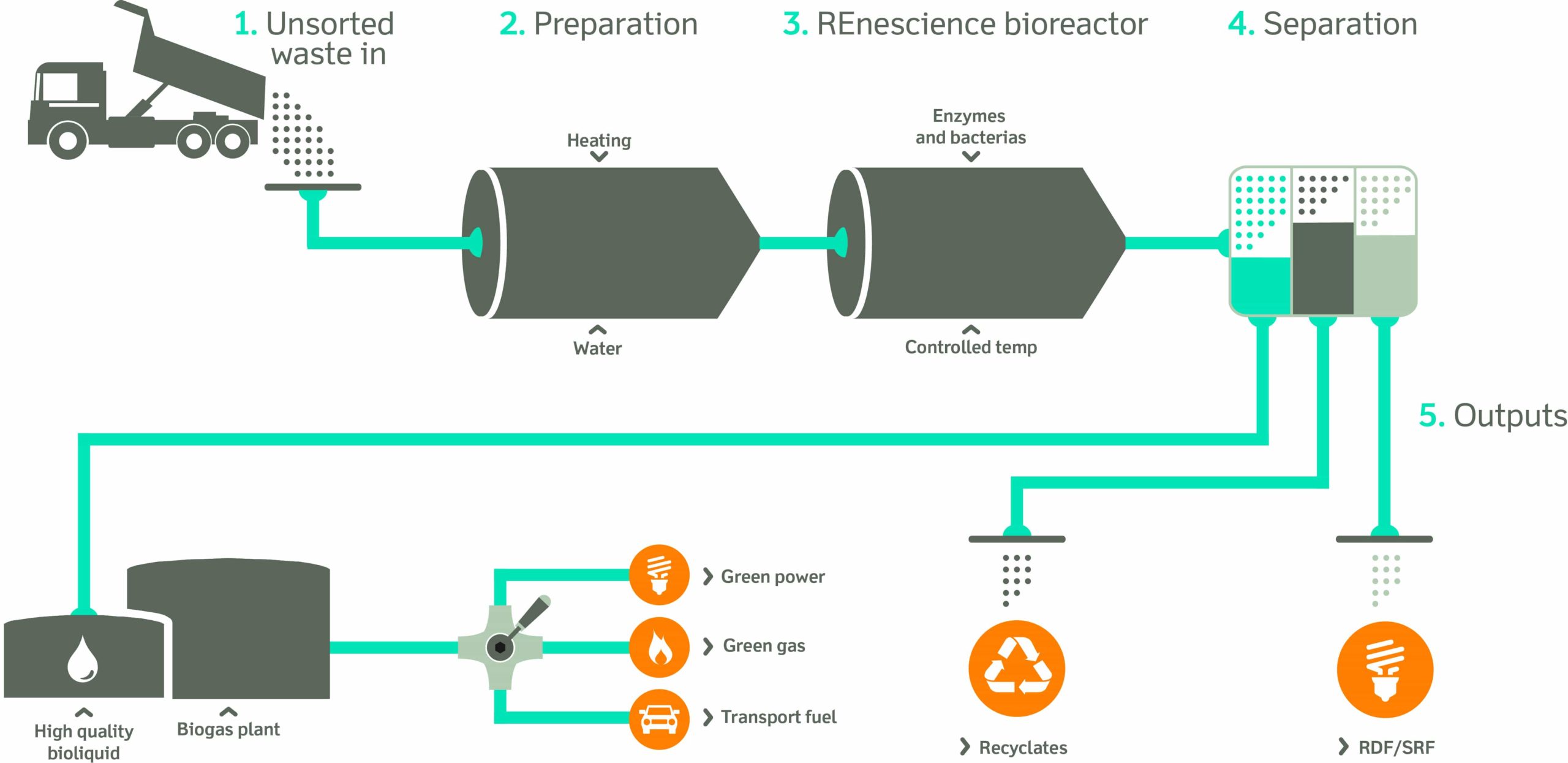
The separated organic material is recovered as a thin bioliquid, which is digested by bacteria within a sealed anaerobic digestion vessel to produce biogas. A digestate product will also be produced from the AD phase of the process.
REnescience Northwich received planning consent from Cheshire West and Chester council on February 2 2016.

Register for free to comment