



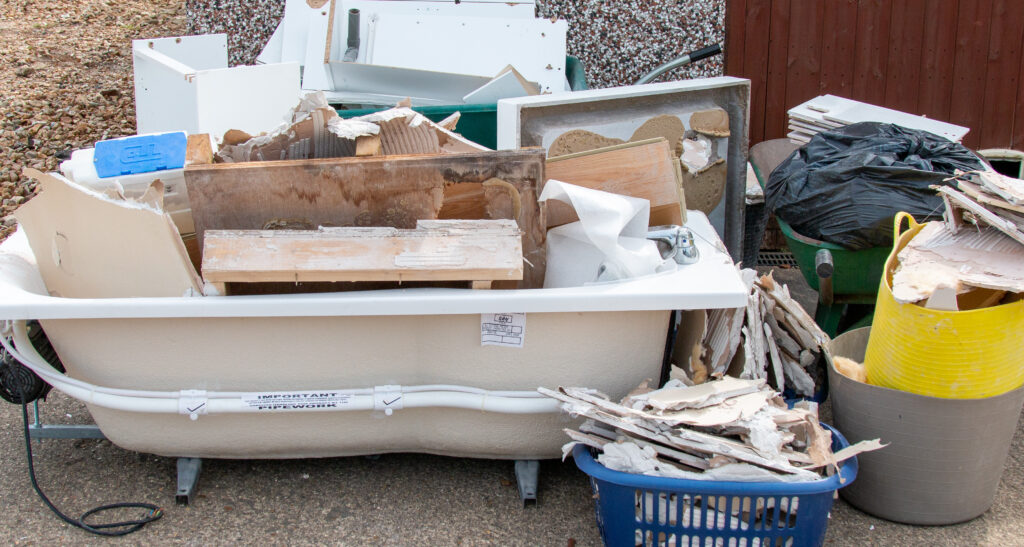
In a rare move, the government made the announcement on a Sunday (see letsrecycle.com story) , with many local authorities saying they received little notice the move would be taken.
Many local authorities have now expressed concern that the move, expected to be finalised later this year, will add upwards of £1 million in costs to some disposal authorities. This will come at a time when budgets have already been finalised, and new burdens funding will not be available.
The National Association of Waste Disposal Officers (NAWDO) said such a decision should be made at a local level, and said its members are “frustrated”.
Meanwhile, the Local Authority Recycling Advisory Committee (LARAC) has said the move is unfair, as removing charges will penalise low-income households, who “will now have to cover these costs through potentially increased council tax charges”.
The Local Government Association (LGA) questioned if the move would reduce fly-tipping and said the costs will be passed on to residents.
Many local authority groups also expressed frustration that the move has been announced at a time when they are awaiting clarity on consistent recycling collections, and said any resources should have been spent on ensuring this is rolled out first. Some went as far to accuse the government of trying to “appease” the electorate at the expense of local authorities.
This decision could have a significant financial impact at a time when budgets for this year are already set
- NAWDO
NAWDO
A NAWDO spokesperson explained that in its response to the call for evidence, NAWDO advocated for this to be a local decision to be made to suit the circumstances each authority faces.
The spokesperson added: “This decision could have a significant financial impact at a time when budgets for this year are already set, particularly as there is no proposal to provide additional funds to local authorities to cover these costs.
“NAWDO awaits further information from the government on its proposed changes to regulations, and notes the frustration of our members that this is being implemented at a time when there remains a great deal of uncertainty about how and when other aspects of the proposed reforms to the waste sector set out in the Resources and Waste Strategy are going to be implemented.”
Removing these charges could impact councils’ ability to offer a full range of recycling bays
- LARAC
LARAC
LARAC meanwhile highlighted a survey it conducted of its members when the consultation was launched in 2022, which found “an overwhelming majority of 75%” did not approve abolishing the charges. This was reflected again in Local Authorities consultation responses in 2022.
The spokesperson explained: “LARAC believes charging is fairer because, as is the case currently, DIY waste is priced by volume, and householders are not restricted in the amounts of DIY and construction waste they can dispose of. This is fair to all and does not penalise low-income households, who will now have to cover these costs through potentially increased council tax charges. This is especially important in the current cost of living crisis.”

LARAC also warned that most respondents to the government consultation were householders, who favoured charges being abolished, perhaps not fully understanding the implications of removing said charges and that deficit not being compensated for through New Burdens Funding.
“At a time when Local Authority budgets are being increasingly cut and squeezed, removing these charges could impact councils’ ability to offer a full range of recycling bays for residents to recycle as much as possible,” LARAC added.
“We would urge the Government to re-think this suggestion and work with us and our members to agree a better solution,” the spokesperson concluded.
Evidence does not show a link between charges result in fly-tipping
- LGA
LGA
The LGA warned that the government’s remarks that the move will help reduce fly-tipping is wrong.
Cllr Darren Rodwell, environment spokesperson for the LGA said: “Where councils are no longer able to charge for DIY waste at recycling centres the cost will be passed to all householders, including households that do not have a car and those with no possibility of carrying out building works, for example people living in rented accommodation.”
“Evidence from councils and WRAP does not show a link between charges result in fly-tipping. We support a crackdown on fly-tipping and that is why we are calling for a review of sentencing guidelines to magistrates to ensure that penalties reflect the seriousness of the offence.
“Manufacturers should also contribute to the costs to councils of clear up, by providing more take-back services so people can hand in sofas, old furniture and mattresses when they buy new ones.
“Councils are still waiting for the implementation of Extended Producer Responsibility, a policy that would see producers take responsibility for much of the waste recycling centres handle, and lessening the burden on waste services.”
Consistency
Many local authorities also said the fact the move has come as it councils await an update on the consistency framework as part of the national waste strategy is disappointing, with the move being likened to a distraction.
However, Defra has shown no sign of being deterred in banning the charges, which it insists will be a winning move with the electorate and help reduce fly-tipping.

Subscribe for free