


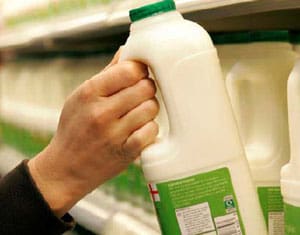
Government-backed targets to add more recycled content to plastic milk bottles will become increasingly difficult to achieve due to a green hue which is caused by rHDPE pellets when they are used in increased concentrations, a WRAP report has claimed.
A research project commissioned by WRAP claims that higher levels of rHDPE pellets in milk bottles lead to a visible green hue, usually caused by contamination from the coloured bottle caps. This green is not regarded as attractive by customers and is therefore rejected by retailers.
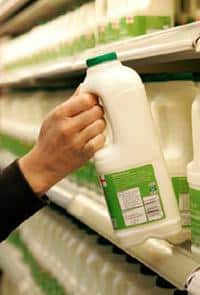
In a bid to combat this, the research suggests a series of ‘quick wins' which would enable plastics reprocessors to ensure that rHDPE supplied to bottle manufacturers would be of adequate quality to help ensure recycled content could be pushed up to meet the targets.
These actions include lightening or removing the colour from milk bottle caps, which are seen as the main cause of the green hue when they are pelletised. Also, making the caps out of rHDPE was suggested as a means of limiting any detrimental impact on the rHDPE pellets.
The study was carried out between January 2009 and April 2010 in conjunction with milk giant Robert Wiseman Dairies, bottle manufacturer Alpa and adhesive labelling firm Systems Labelling.
It involved work with HDPE processing plants in the UK, recycling equipment manufacturers and chemical suppliers. The recycling firms involved in the study were Greenstar WES – now known as Biffa Polymers – and Closed Loop Recycling.
The first round of analysis found that coloured bottle caps were one of the main sources of the green hue, with “only a small amount” of cap material potentially being able to spread concentrated pigment throughout the extrusion stage of the recycling process.
Solutions
Assessing potential solutions, the report claims that the use of a ‘tinted' colour cap in bottles used as feedstock would reduce the impact of colour on the rHDPE pellet and would also allow it to be recognised by colour sorting technology. This, the report recommends, could be coupled with increased colour sorting technology.
The study also suggests the introduction of natural or clear caps. However, it identifies a number of issues with this avenue. In particular, the cap is the key mechanism for consumers to recognise the variant of milk, while there is also potential for caps to bypass colour sorting technology.
Labelling on bottles was not found to “contribute significantly” to the colour hue problem, as 90% of it is removed from the HDPE in air separation and was processes at the reprocessor. However, reducing the level of ink in labels was seen as a means of potentially reducing risk of contamination.
The report represents the second WRAP study linked to the impact packaging colour has on consumer behaviour, after it commissioned research in September 2009 into the impact of using mixed glass as opposed to clear glass for supermarket items (see letsrecycle.com story).

Subscribe for free