


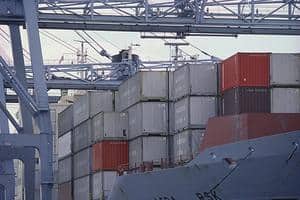
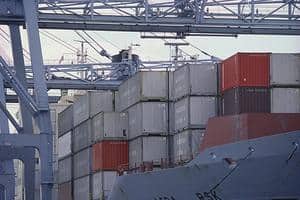
Waste management polices which are against materials being exported for recycling could jeopardise progress towards meeting EU recycling targets, according to Surendra Borad, chairman of the Bureau of International Recyclings plastics committee.
Speaking at the BIRs Plastics Round Table in Barcelona on Monday (October 29), Mr Borad said that the export market was essential for maintaining value in recovered material and warned that attempts to localise recycling activities could undermine the value of plastics material for recycling.
Mr Borad was responding to comments by retail chain the John Lewis Partnership in its 2012 sustainability report published last month, stating that the company would look to ensure that all of its waste was kept within the UK for recycling.
He said: John Lewis Partnership and Waitrose supermarkets in the UK would like to keep their waste in the UK and would not like to see its scrap exported. It produces about 67,000 tonnes of waste per year.
When there is a restriction on exports, there is a possibility of oversupply in the domestic market. This leads to lower domestic prices and it directly affects the collection of scrap. All these actions have a domino effect and may mean the EU recycling target is not met.
Waste exports have been under particular scrutiny in the UK in recent weeks, with Shadow Environment Minister Mary Creagh MP telling the Labour Party conference earlier this month that the UK is exporting jobs along with its waste (see letsrecycle.com story).
Infrastructure
The export market has played a part in the growth in growing recycling collections in the UK over the last decade in the absence of sufficient domestic reprocessing infrastructure, particularly in the paper sector. There are conflicting views in the plastics industry about the reasons for the growth of exports with some saying that more usage of recycled materials should be specified by domestic manufacturers of products.

‘When there is a restriction on exports there is a possibility of oversupply in the domestic market. This leads to lower domestic prices and it directly affects the collection of scrap.’
Surendra Borad, chair, BIR Plastics Committee
According to Mr Borad, the export market is particularly vital to the UK where it has shown signs of growth in exports, despite plastic exports from elsewhere in Europe stagnating.
But, he commented that in recent months, the continents exporters have suffered as a result of stricter quality requirements being put in place by the Chinese authorities.
He added: Although the value of materials has increased by around 6.2% the quantity of export in 2011 as compared to 2010 remained flat.
Possible reasons for this are the stricter enforcement of regulations by the Chinese authorities or the expiry of licences to export material to the country, any delay in renewing these licences could upset the market tremendously.
Mr Borad also referred to the recent import restrictions imposed by Malaysia.
He said: The prohibition of export of plastics from Europe to Malaysia is another factor. I have been told that it is a mistake by either the European authorities or the Malaysian authorities and the European Commission has written to ask that the prohibition is removed, but lets see how long that takes.
Biodegradable plastics
In his address to the plastics committee, Mr Borad also warned that the increasing use of biodegradable plastics in packaging production could have serious implications for the recycling sector, as it will require additional sorting to separate it from petroleum-based plastics.
He said: European Environment Commissioner Janez Potocnik raised these issues last month in a conference in Germany. He believes that these biodegradable plastics could contaminate the conventional plastics unless there is a separate specific waste stream. Such stream will require a separate logistics and separate collection and separate separation techniques.
Related Links
Mr Potocnik stressed that these plastics requires specific composting conditions to decompose and they do not provide solutions to either land littering or marine littering.
The BIR is the world’s largest international recycling sector trade body and represents more than 750 firms worldwide.


Register for free to comment