


Biomass may not provide as much demand for waste wood in future as some had hoped following changes to government subsidies, an industry expert has warned.
Stephen Martin, UK biomass procurement manager at RWE npower renewables, told a meeting of the Wood Recyclers Association last week (Tuesday 11) that changes to Renewables Obligation Certificate (ROC) bandings meant that developers may be more keen to adapt plants to co-fire biomass with fossil fuels rather than build dedicated biomass plants which are suitable for processing waste wood.
Under the banding review, announced in July 2012, support for dedicated biomass facilities in the UK is set to fall from 1.5 ROCs per megawatt hour (MWh) to 1.4MWh in April 2016. A cap on the proportion of ROCs which suppliers can source from dedicated biomass plants accredited after March 2013 is also planned.
The comments from Mr Martin represent the latest blow for wood recyclers who are currently struggling to offload waste wood, with one association member describing the situation at the meeting as the worst in our sectors young life. Many in the sector had hoped that a growth in biomass capacity in the UK would ease the situation in the long term.
Mr Martin said: The latest banding which has come out is really important it will be a big influence in terms of how the biomass market will shape up.
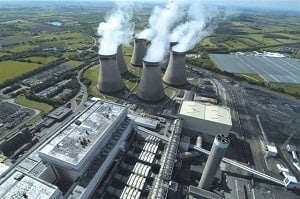
We are going to see a dash to co-firing. The cost of converting coal-fired plants is significantly less than building dedicated biomass plants. For instance, Drax is looking to convert three units. We are going to see a major shift to co-firing I think at the expense of dedicated.
This will create significant demand for virgin wood pellets and not recovered wood unless it is grade A[clean] material. From that point of view it is not really the news we wanted… the outlook is not positive.
Emissions
One ray of sunlight for the sector, Mr Martin said, was a new requirement for dedicated biomass plants to meet greenhouse gas emissions standards, which plants burning waste wood would automatically meet and would make the fuel more attractive in comparison with virgin feedstock. He commented: Waste wood is exempt from those emissions standards which is a bonus.
And, turning to the biomass plant being developed by RWE at Markinch in Fife, which will be the largest wood-waste burning plant in the UK, Mr Martin offered reassurance that the plant was due to come online next year and would be taking in waste wood.
He said: We are looking at commissioning in early 2013, February or March, with full production in August 2013. We have had some problems which you would expect with any major project. But we are getting there and once we are on stream we will be contracting for a significant amount of waste wood. It is no secret that SITA have a large share of that market but we are still in the market.

Subscribe for free