

Ms Perry, who has responsibility for energy and subsidies within the Department for Business (BEIS), was responding last week to a question by Scottish MP Stephen Kerr who has one of the Norbord company’s wood panel plants in his constituency.
The wood panel sector makes furniture unit boards and other products using both waste wood and virgin fibre from forests. It is concerned that its costs are being driven up by the demand from biomass plants for both virgin and waste materials and that biomass plants gain from an energy subsidy while board makers have none.
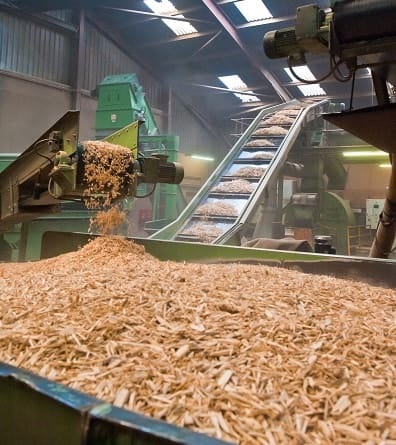
Stephen Kerr told the minister: “The subsidy available to energy plant for burning wood is causing distortions in demand for virgin and recycled wood, which is constricting supply and increasing input costs for businesses such as Norbord in Cowie. Will the Minister meet me and representatives of the wood panel industry to hear at first hand about the issues that they are facing and the consequences.”
“Concerning”
In response, Ms Perry said officials from the Department for Business (BEIS) were meeting with the the Wood Panel Industries Federation (WPIF) and that the issues were “concerning” and she was willing to discuss the matter.
While Norbord marketing director David Connacher did not want to comment on the issue directly, Alastair Kerr, director of the WPIF further said that the meeting with BEIS officials went well.
Mr Kerr said: “We met with officials to inform them of our concerns and make them aware of the concerns we have. Officials regularly change so it is important to explain our concerns and ensure that they know who we are.
“The meeting went well, and we hope to meet Ms Perry soon and put our concerns directly to her.”
Subsidies
The concerns relate to government subsidises for biomass plants, which are paid per unit of renewable energy supplied via the Renewables Obligation, or as part of a pre-arranged contract to energy generators.
Last month Norbord claimed that “the prime economic driver for burning wood in UK power stations is Government-funded subsidies.”
The board maker added: “If wood burning for energy is to be subsidised, these subsidies should, at the very least, be directed towards the most efficient use of the material being burned and only towards that which has reached ‘end of life’ and cannot be converted into products that will ensure that the carbon remains embedded in the wood.”
‘Range of purposes’
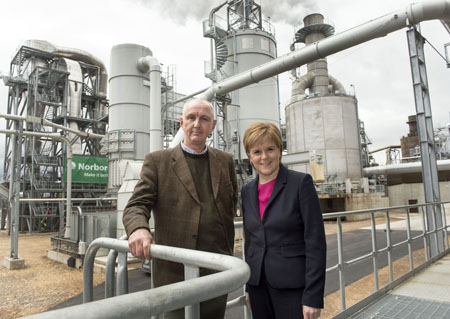
(Picture: Trevor Martin)
A spokesman for the Renewable Energy Association (REA) refuted claims that the government subsidies distort the market, pointing to an EU Commission investigation.
“We can and should use low-grade wood fibre for a range of purposes, including re-use, recycling and bioenergy. The latter is an excellent way to displace fossil fuels without undermining energy security and affordability,” he said.
He continued: “The vast majority of wood used for UK bioenergy comes in pellet form from North American forests. These forests have huge annual surpluses of low-grade fibre left over from forestry management – over 150m tonnes of annual surplus in the US alone. The Southern US forests are three times the landmass of the entire UK and only 0.01% of their inventories go into biomass pellet exports per year. That is simply not enough to distort global wood prices.
“The EU Commission assessed whether UK subsidies would impact market prices for wood fibres when it examined the Drax and Lynemouth facilities under European ‘state aid’ rules. It concluded that they would not.”
And, the REA also pointed out that Norbord itself uses bioenergy. The spokesperson said: “Norbord can clearly see the value in using bioenergy to displace fossil fuels and cut carbon emissions, as it operates a 15MW biomass plant to help power its Cowie facility.”

Subscribe for free