



OPINION: There are growing requirements for businesses to incorporate recycled plastics in their products and packaging- from consumers demanding better choices to governments applying regulatory mandates. In the UK, for example, companies are taxed on any plastic packaging produced without at least 30% recycled content. This means that major FMCGs are encouragingly increasingly incorporating recycled plastic into their packaging, with many setting targets to significantly increase usage by 2025 and beyond.
But not all recycled plastic was created equal, and the available material can come with a unique set of challenges around quality, safety and perception.
Industry leaders must therefore ensure that the recycled content they choose meets the highest quality and safety standards. Simply using recycled isn’t enough.
Quality concerns
One major issue holding the industry back is inconsistency in the quality of the products available. During the recycling process, different types of plastic are often mixed, leading to darker or cloudier hues compared to virgin plastic. While these visual differences don’t affect safety, they can create a psychological barrier for consumers who perceive darker plastic as dirty or unsafe, even when it meets stringent safety standards. While this is less of an issue with coloured products and bottles, like shampoo, it can have a significant impact when used on traditionally clear packaging, for example in fresh food.
Contamination is another significant concern. Inadequate sorting at the collection stage means that recycled plastic can be mixed with non-recyclable materials, bottle labels and even food residues – compromising the quality and safety of the final product. This inconsistency erodes trust and makes it harder for companies to rely on recycled plastic as a viable alternative to virgin materials.
Shifting approach
Addressing these issues requires more than just meeting regulatory requirements – it demands a fundamental shift in how the industry approaches recycled plastic production. Quality and safety must be embedded at the core of every operation, supported by rigorous testing, data analysis, and a transparent supply chain.
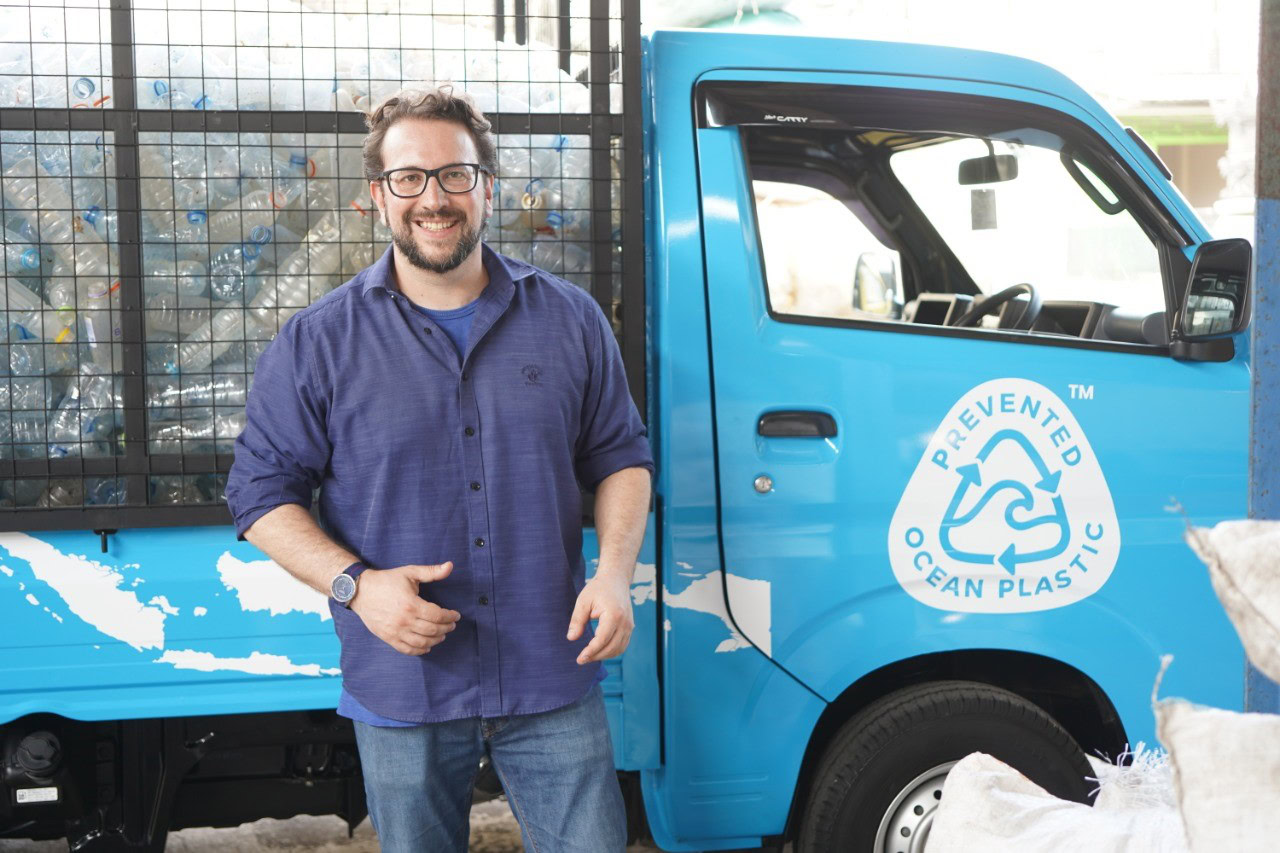
At the start of that supply chain, it’s imperative that we understand where our plastic has come from, and how it has been collected and sorted. While this has traditionally been difficult as supply chain management usually stops well before collection, at Prevented Ocean Plastic we’ve developed a traceable model that goes beyond basic compliance to ensure our recycled plastic meets the clarity and quality of virgin materials. Our collection and sorting processes ensure not only food-safety but also visual appeal, enhancing consumer confidence.
Any approach must also be evidence led, underscored by data-driven insights. For example, at Prevented Ocean Plastic we analyse our recycled plastic to verify food-contact compliance and maintain a regular Non-Intentionally Added Substances (NIAS) testing schedule to ensure consistent safety and quality. Our material surpasses EU legislation requirements, ensuring that our customers approach their downstream compliance needs with confidence.
At the other end of the supply chain, we’ve implemented best-in-class processes to guarantee consistent product quality and minimise environmental impact. To further formalise our commitment, we also introduced the Prevented Ocean Plastic standards — a set of guidelines developed in accordance with the Ethical Trading Initiative (ETI) base code and informed by ISEAL’s Code of Good Practice. These standards set an industry benchmark for minimising environmental impact, improving worker conditions, and delivering high-quality recycled plastic.
Translating best practice into industry wide standards
While individual companies like Prevented Ocean Plastic can help raise the bar, true progress requires industry-wide action. The current variability in recycled plastic quality stems from inconsistent sorting practices, low standards, and infrastructure gaps in the recycling chain.
Improving quality across the industry will require:
- Better sorting and collection – Enhanced waste-management infrastructure in the places that need it most, including more efficient deposit return schemes, will reduce contamination and improve the quality of recycled materials.
- Consumer behaviour change – Educating consumers on proper recycling practices, such as removing bottle caps and labels, will reduce contamination at the source.
- Design for recycling – Products must be designed for recyclability, ensuring that materials can be easily separated and processed.
Achieving this will require collective effort- from businesses, manufacturers, and policymakers to consumers.
The path forward
At Prevented Ocean Plastic, we are committed to driving this change. We will continue to share best practices, collaborate with industry partners and advocate for higher standards across the recycled plastic sector.
Raising the bar for recycled plastic quality is not just about clearer packaging and meeting consumer demand – it’s about building a system that delivers safety, consistency, and sustainability at scale.
The future of recycled plastic depends on closing the gap in quality and consistency. By setting higher industry-wide standards, we can create a recycling system that businesses and consumers trust — and that truly benefits the planet.


Register for free to comment