

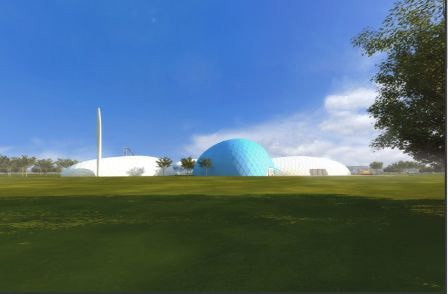
The renewable fuel will be produced by feeding waste into a patented high temperature gasifier, producing BioSynGas. An established process known as Fischer Tropsch will then convert the gas into biojet fuel and bionaphtha – which is used as a blending component in petrol and also as a feedstock for the petrochemicals industry.
According to British Airways, the Fischer Tropsch process offers greenhouse gas savings of up to 95% compared to fossil-fuel derived jet kerosene.
The airline has confirmed that it aims to use waste with a high carbon biomass content – including domestic, agricultural and industrial waste – but added that other waste, including paper and food scraps, may also be used in the plant.
Four sites in the east of London are among those under consideration for the construction of the bio-jet fuel plant. Once a site has been chosen, British Airways will be entering into negotiations with waste companies and local authorities for the waste supply.
The partners also claim that the project will make further savings in greenhouse emissions by reducing the volume of waste sent to landfill, therefore avoiding production of methane, as well as significantly reducing local authority landfill tax bills.
British Airways calculates that the plant could save £36 million in landfill costs for local authorities by utilising 500,000 tonnes of biomass feedstock per year. This is based on local authorities paying the 2013/2014 landfill tax of £72 per tonne for the disposal of waste to landfill.
Solena Group Inc will be building the biomass plant and British Airways has signed a letter of intent to purchase all of the fuel it produces.
It is hoped that the scheme will lead to the creation of up to 1,200 jobs in the chosen area and the plant is also expected to generate 20MW of excess renewable electricity a year for export to the national grid.
Unique
Willie Walsh, chief executive of British Airways, said: “This unique partnership with Solena will pave the way for realising our ambitious goal of reducing net carbon emissions by 50% by 2050.
“We believe it will lead to the production of a real sustainable alternative to jet kerosene. We are absolutely determined to reduce our impact on climate change and are proud to lead the way on aviation's environmental initiatives.”
Dr Robert Do, chairman and chief executive of the Solena Group, said: “The Solena – British Airways BioJetFuel project will efficiently convert biomass into clean renewable fuels and electricity and is completely carbon neutral.
“The plant will be a state-of-the-art renewable fuel manufacturing facility, distinct from a standard waste to energy incinerator facility. It will not produce any polluting emissions or undesirable by-products.”
Vision
The partners believe their project could help towards the Mayor of London's “Foodwaste to Fuel Alliance” vision, set out last year, to speed up the development of infrastructure to convert London's food waste into eco-fuel to cut landfill rates and carbon emissions (see letsrecycle.com story).
Commenting on the project, the Mayor of London, Boris Johnson, said: “I welcome this fantastic new 'carbon lite' fuel production facility in London.
“City Hall has been working with British Airways and Solena to drive this project forward to help untap the massive potential to generate cleaner, less polluting energy from waste, otherwise destined for landfill. We are working to bring together more organisations in this way to harvest the capital's rubbish to fuel homes, businesses and even transport.”
Principal consultant
International consultancy, design, engineering and management services company ARCADIS has also announced today (February 15) that it has been given the role of principal consultant, advising on and managing the delivery of the project.
Stephen Didcott, managing director for ARCADIS in the UK, said: “The advanced biopower and biofuels processes now being developed will be fundamental in shaping the industrial sector of the future.
“Projects like this demonstrate that the technology is viable and the end results are extremely desirable and we are proud to be a part of this important development.”
ARCADIS is currently working on identifying potential sites for the new facility which will require approximately 20 acres of land.

Register for free to comment