

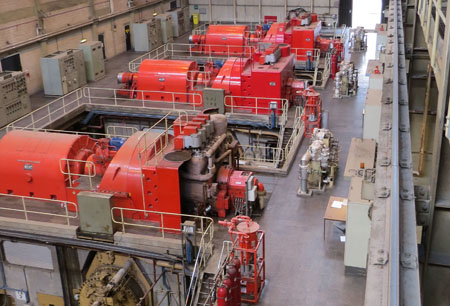
However, LondonEnergy Ltd (LEL) – the local authority-owned company which runs the facility for NLWA – has not divulged how the shutdown is directly impacting capacity.
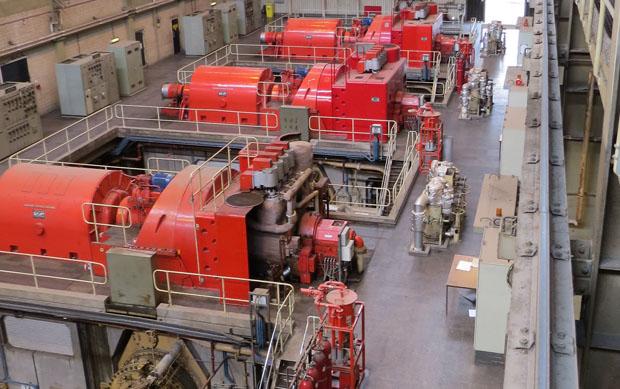
As a result of the shutdown, the authority is incurring the higher cost of sending waste by rail to a third party energy from waste facility in Buckinghamshire – understood to be FCC’s Greatmoor plant. According to a meeting of NLWA, it is unlikely that the turbine will be operational before April 2019.
Risk
NLWA has forecast an increase cost of almost £1.53 million as a result of waste being sent to the Buckinghamshire facility, “together with a small projected increase in tonnage delivered to Hendon”.
However, the contract with LEL provides for an element of “risk-sharing” in relation to the prices achieved for the electricity generated at the Edmonton EcoPark, a document for a NLWA meeting notes. This means that as prices rise, the authority has to compensate LEL less. In addition, the authority’s compensation is linked to the amount of energy produced.
Energy generation at the facility has been impacted by the shutdown, with the authority revealing that: “With the reduction in capacity at the plant, the amount of compensation the Authority is forecast to pay LEL has fallen. This second budget review reflects a reduction of £1.46m.”
LondonEnergy (formerly known as LondonWaste) has previously noted that electricity generating capacity at the site is reliant on maintaining the “resilience and availability of the ageing plant”. A four-year “life extension programme” at the facility started in 2016 but further works could be needed as the new incinerator on the site is still at planning stage.
The facility treats waste from NLWA’s six members: The London boroughs of Barnet, Camden, Haringey, Waltham Forest, Hackney, Enfield and Islington.
Capacity
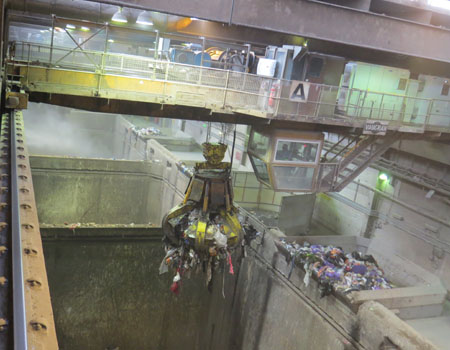
When contacted by letsrecycle.com, a spokeswoman for LondonEnergy confirmed that one of the four turbines at the EcoPark is not operational. However, the facility continues to generate energy from waste, she confirmed.
The spokeswoman added: “We expect the fourth turbine to come back on line in the early part of 2019 and full processing capability to be resumed.”
“In the meantime, any residual waste that cannot be processed at the EcoPark is being sent to other facilities as RDF. It may be necessary to landfill a small percentage of waste, depending on the demand for RDF, but we will naturally work to ensure this in minimised.”
However, in regards to questions over how capacity is directly affected by the turbine issue, and what capacity the facility is running at, the company declined to comment. LEL said it would not usually comment on “routine operational matters”.
Plans
LondonEnergy working with the NLWA have plans to develop a new large energy from waste plant next to the existing site and has just appointed a project chief for the facility (see letsrecycle.com story).

Register for free to comment