• Get Adobe Flash player

UK call for Europe to tighten excess packaging law

Friday 27 July 2007 Packaging News

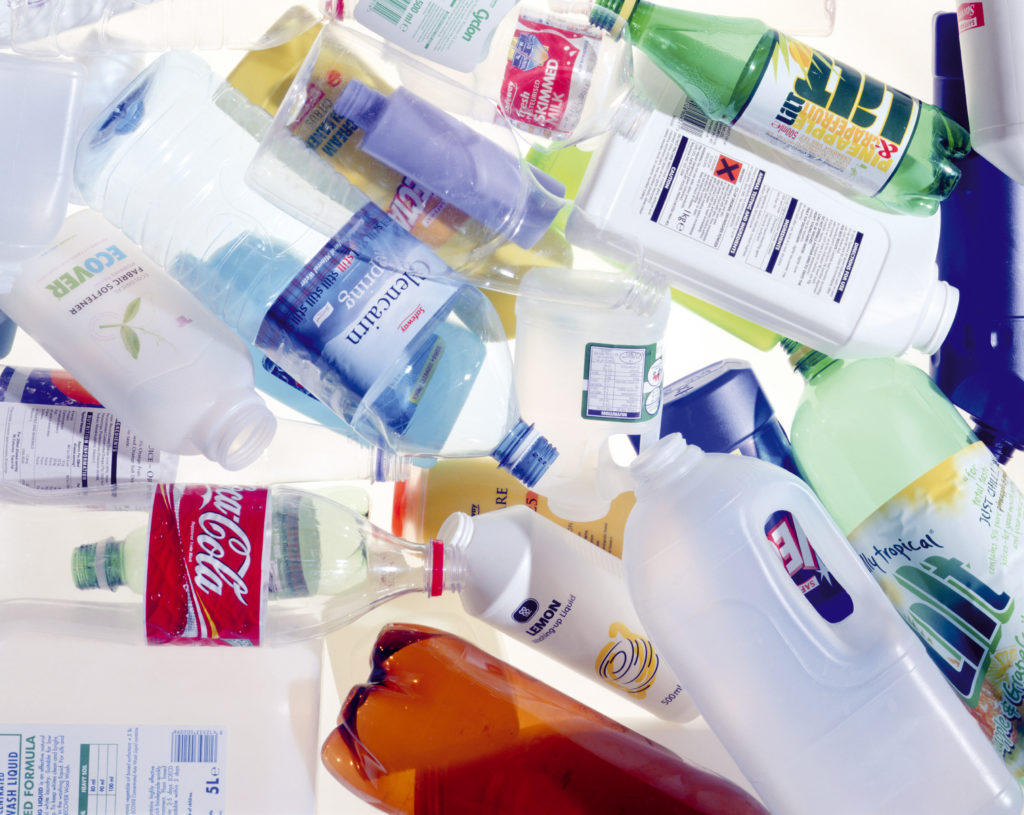
The UK has asked Europe to review loopholes in EU packaging laws that allow companies to use "excessive" amounts of packaging to sell their goods.

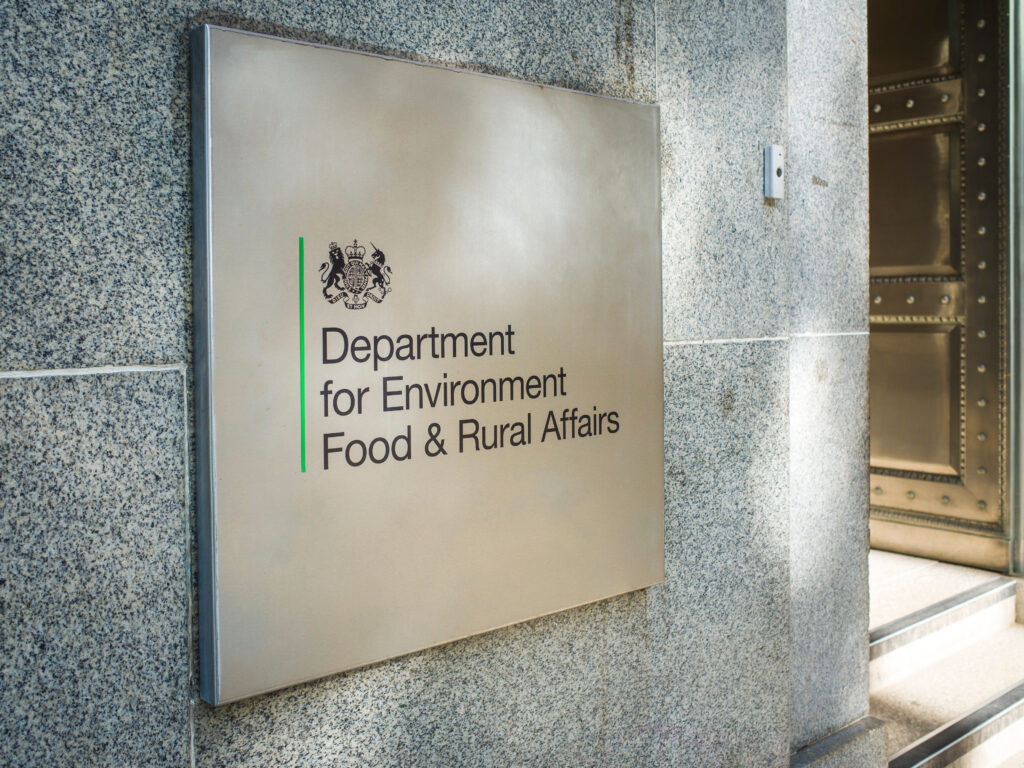
The request comes as the UK's Department for Environment, Food and Rural Affairs intends to sharpen up the UK's approach to packaging with increased recycling targets and in reducing the amount of packaging ending up on supermarket shelves.

Excess packaging

Just four companies have been prosecuted for using excess packaging in the 10 years since the EU packaging rules have been in force in the UK
It has now emerged that EU environment commissioner Stavros Dimas has been asked to look again at the Packaging Directive, because companies using too much packaging - which ultimately ends up in household bins - can claim they need it for marketing purposes.

In a letter obtained by letsrecycle.com from then-Environment Secretary David Miliband to Mr Dimas, sent in May 2007, Mr Miliband stressed that packaging and packaging waste was something "many consumers in the UK feel very strongly about".

He told Mr Dimas that the EU Directive included weak criteria for what should be considered as "excessive" packaging under the European law.

The letter was written to alert the Commission to England's new waste strategy published in May. But in discussing efforts to crack down on packaging ending up in landfill, Mr Miliband warned that efforts to force companies to use less packaging were being made "very difficult" by the wording of the Packaging Directive.

Just four companies in the UK have been prosecuted for using excess packaging under the Packaging (Essential Requirements) Regulations, the regulations bringing the Directive's measures on excess packaging into UK law (see letsrecycle.com story).

Mr Miliband wrote: "UK experience is that the wording of the EU Packaging Directive requirements on minimisation, which includes subjective criteria such as 'consumer acceptance' and 'product presentation and marketing', enables companies to claim that the amount of packaging used is not 'excessive' and so makes the enforcement of the regulations very difficult."

Mr Miliband called on Mr Dimas to consider reviewing the Directive "so that Member States' authorities can take more effective enforcement action against clear cases of excess packaging".

The then-Environment Secretary noted in his letter to the Commission that the UK government is to consult industry on amending packaging regulations to clamp down further on excess packaging.

The wording of the EU Packaging Directive requirements on minimisation... enables companies to claim that the amount of packaging used is not 'excessive'.

 
David Miliband

This will include requirements for companies to use the "best in class" types of packaging, in which packaging like bottles, cans or boxes are made with lightweight designs, using the smallest amount of material needed to sell the goods and maintain hygiene and safety standards.

"Producers would be expected to use the lightest weight packaging where such an option exists," Mr Miliband explained.

Recycling targets

Concerning packaging waste recycling targets set within the Packaging Directive, Mr Miliband informed Mr Dimas that the UK "expects to meet" those targets set for Europe in the year 2008.

He said the UK government is to propose higher recycling targets for the period beyond 2008, and suggested that the rest of Europe might like to follow suit and "consider whether there would be a case for setting higher targets for the EU as a whole".

This goes against suggestions from the Commission that they might like to keep recycling targets at 2008 levels to allow new Member States to catch up with the rest of the EU (see letsrecycle.com story). The design of the UK's packaging producer responsibility system means that if recycling targets do not keep increasing year-on-year, the amount of investment put into recycling by packaging producers could be very small.

Meanwhile, in a written answer to a Parliamentary question from Lib Dem MP Martin Horwood this month, the government's new waste and recycling minister Joan Ruddock said that 92% of the UK retail sector has joined a voluntary initiative to cut down on the use of packaging.

The so-called "Courtauld Commitment" is run by government-funded organisation WRAP (the Waste and Resources Action Programme) aiming to halt packaging growth by 2008 and make absolute reductions in packaging waste by 2010.

Mrs Ruddock revealed that the government could also decide to bring in obligations for retailers to take back and recycle packaging sold in their own stores if existing measures do not bring reductions in packaging waste going to landfill.

She said: "No regulations are currently in place specifically obliging retailers to take back, and take back and recycle, packaging sold in their own stores. However, we have not ruled out regulating on this in the future, and if we wished to do so, powers are available in sections 93-95 of the Environment Act 1995.

Commenting on the government's efforts to crack down on packaging waste, Friends of the Earth campaigner Dr Michael Warhurst said: "We welcome the renewed attention to packaging. On returning packaging to supermarkets we think that while this is a nice idea encouraging a bring bank approach is not ideal and we believe kerbside collection is the way to go. In terms of the packaging waste directive, we are very interested in the idea of new recycling targets and we certainly reckon that this is where the pressure on the packaging sector should be."


  • Kaizen
  • Powerday
  • BCR
  • Hawkvale
  • Prismm
  • Get Adobe Flash player